Japan: Tokyo, Kyoto, Nara, Hiroshima and Osaka
Japan: Tokyo, Kyoto, Nara, Hiroshima and Osaka
- Round-trip flight included
- Accommodation for the entire duration of the tour
- Group leader
- Small group, maximum 16 participants
Eleven days in Japan, during the red leaves season: Tokyo and Nikko, one night at a ryokan with an onsen under Mount Fuji, Kyoto with Fushimi Inari and Arashiyama, the deer of Nara, Hiroshima and the floating torii of Miyajima, Osaka at the end. Entry in Tokyo, exit from Osaka, Shinkansen between them.
Japan is the country where everything works and nothing resembles what you know. The train departs on the dot, the city of thirty-seven million people is silent in the subway, and five minutes from a skyscraper you find a thousand-year-old wooden temple. This tour is designed to show you both sides, in an order that makes sense.
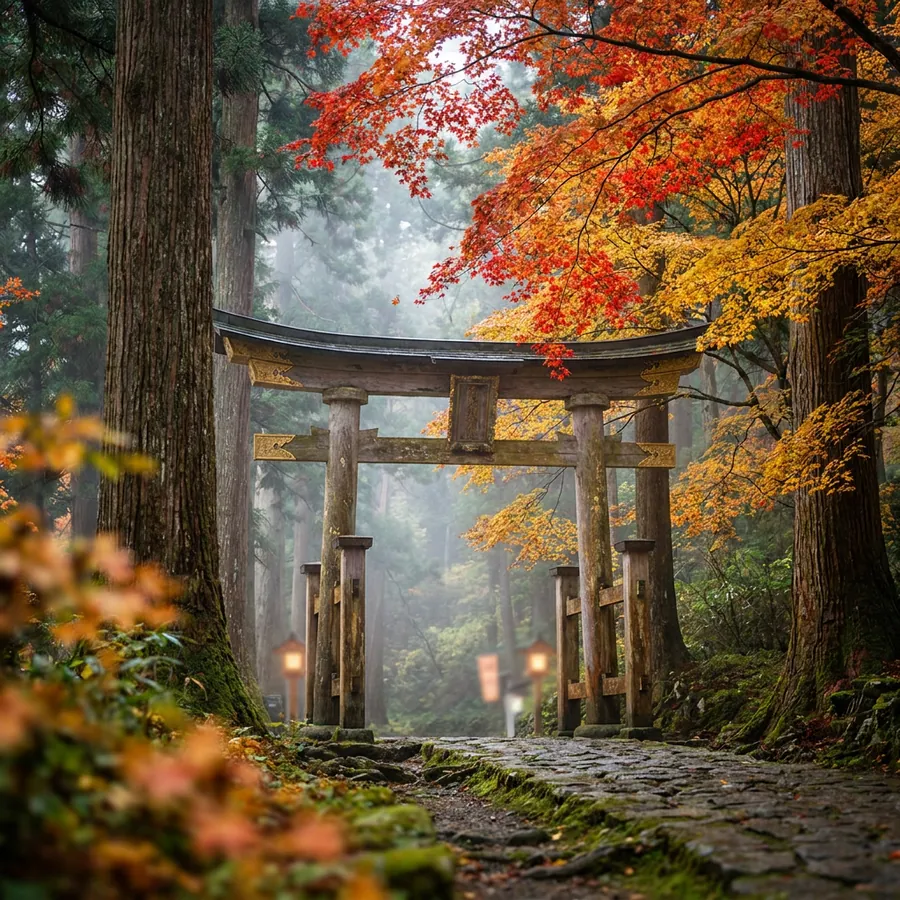
We start in Tokyo: Asakusa and the giant lantern at Senso-ji, Shibuya crossing, Shinjuku at night, and a day in Nikko, among cedars and red leaves, at the most ornate shrine in the country. Then we go down to Hakone for Mount Fuji seen from Lake Ashi and a night at a ryokan: tatami, yukata, open-air thermal baths, and kaiseki dinner — the part everyone remembers.
By Shinkansen we arrive in Kyoto, the old capital, in full momiji season: the tunnel of red gates at Fushimi Inari, the bamboo forest in Arashiyama, the Golden Pavilion and the zen garden at Ryoan-ji, an evening at illuminated Kiyomizu-dera. A day in Nara, with the Great Bronze Buddha and deer that bow for biscuits.
In Hiroshima we stop at the Peace Memorial Park, then take the ferry to Miyajima for the torii gate that floats on the sea at sunset. We conclude in Osaka, the city that eats: the castle, Kuromon market, and the neon lights of Dotonbori, before the flight home.
Small group, maximum 16 people, and a Romanian guide throughout the tour.
Highlights
- Japan in the season of red leaves, with Kiyomizu-dera illuminated at night
- One night at a ryokan in Hakone: tatami, open-air onsen, kaiseki dinner
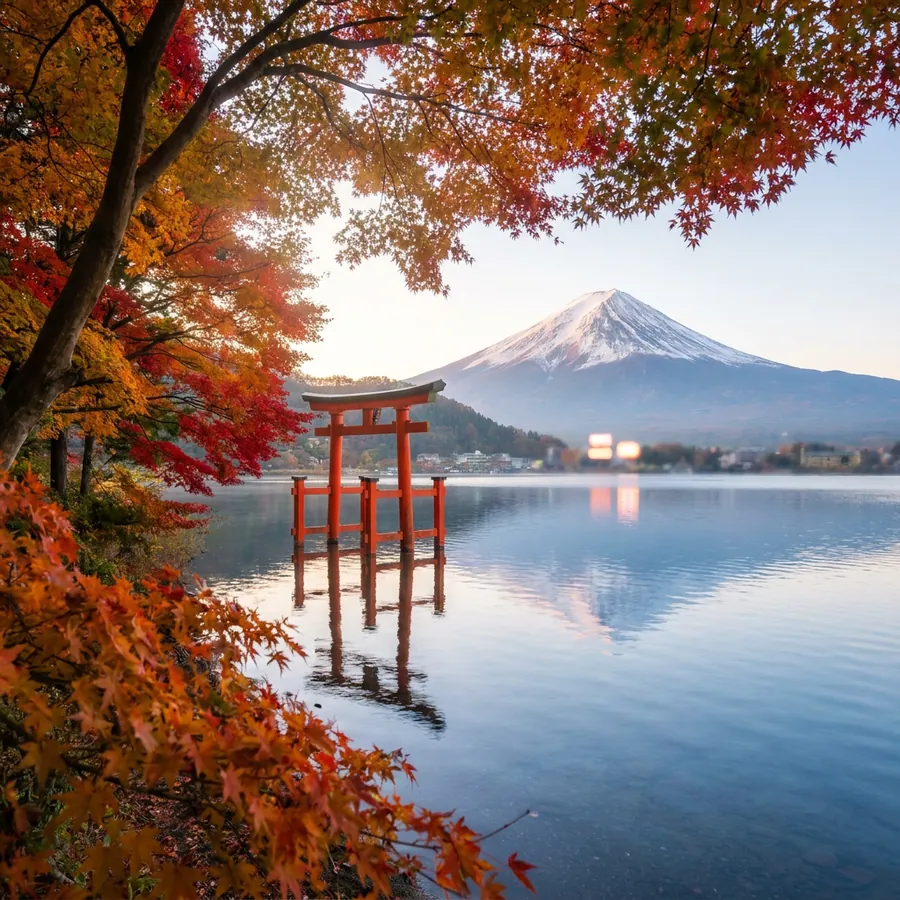
- Mount Fuji seen from Lake Ashi and from the Shinkansen window
- The ten thousand torii gates of Fushimi Inari
- Arashiyama Bamboo Forest and the Golden Pavilion
- The Great Buddha and the bowing deer, in Nara
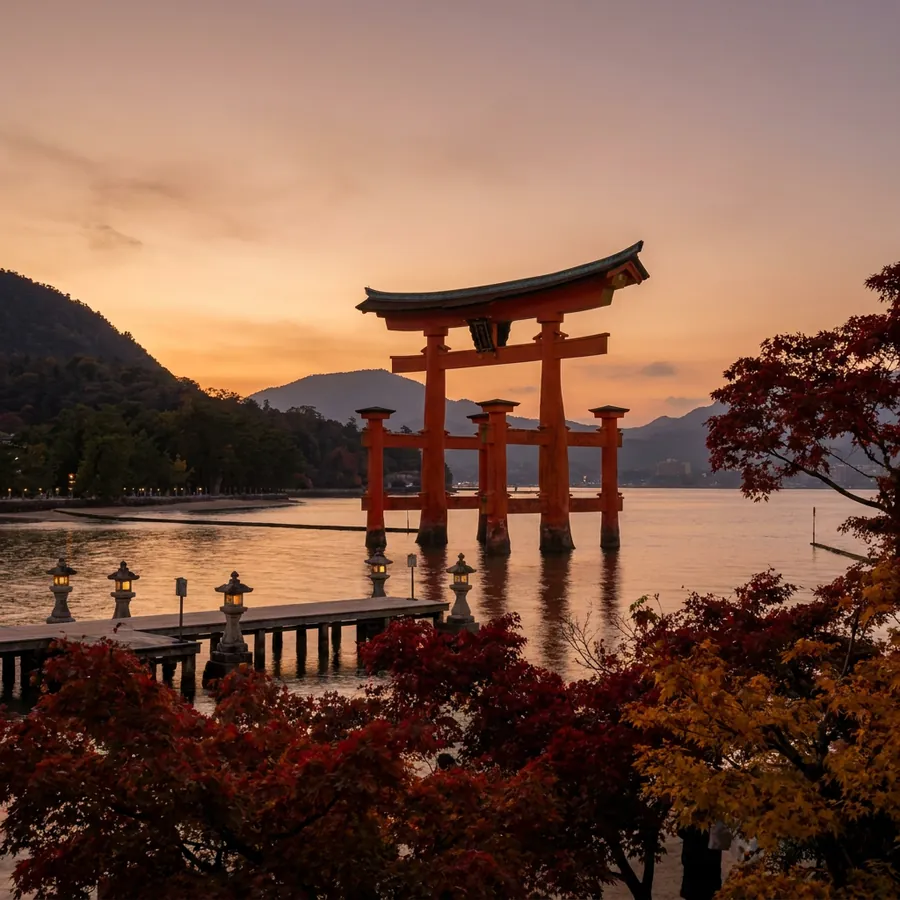
- Peace Park in Hiroshima and the floating torii of Miyajima at sunset
- The Toshogu Shrine in Nikko, with five thousand gilded sculptures
- Three Shinkansen rides, with luggage sent separately, from hotel to hotel
- Entry in Tokyo, exit from Osaka — no back-tracking
What's included
- Flight Bucharest -> Tokyo and Osaka -> Bucharest, with a layover in Istanbul;
- Airport taxes and two 23 kg checked bags;
- 8 nights accommodation: three 4-5* hotels and one night at a luxury ryokan;
- Breakfast every morning;
- Traditional kaiseki dinner at the ryokan, in Hakone;
- Three Shinkansen rides, reserved seats: Odawara -> Kyoto, Kyoto -> Hiroshima, Hiroshima -> Osaka;
- Luggage transport from hotel to hotel (takkyubin), Tokyo -> Kyoto -> Hiroshima;
- All transfers by private air-conditioned coach;
- Day trip to Nikko, with private transfer;
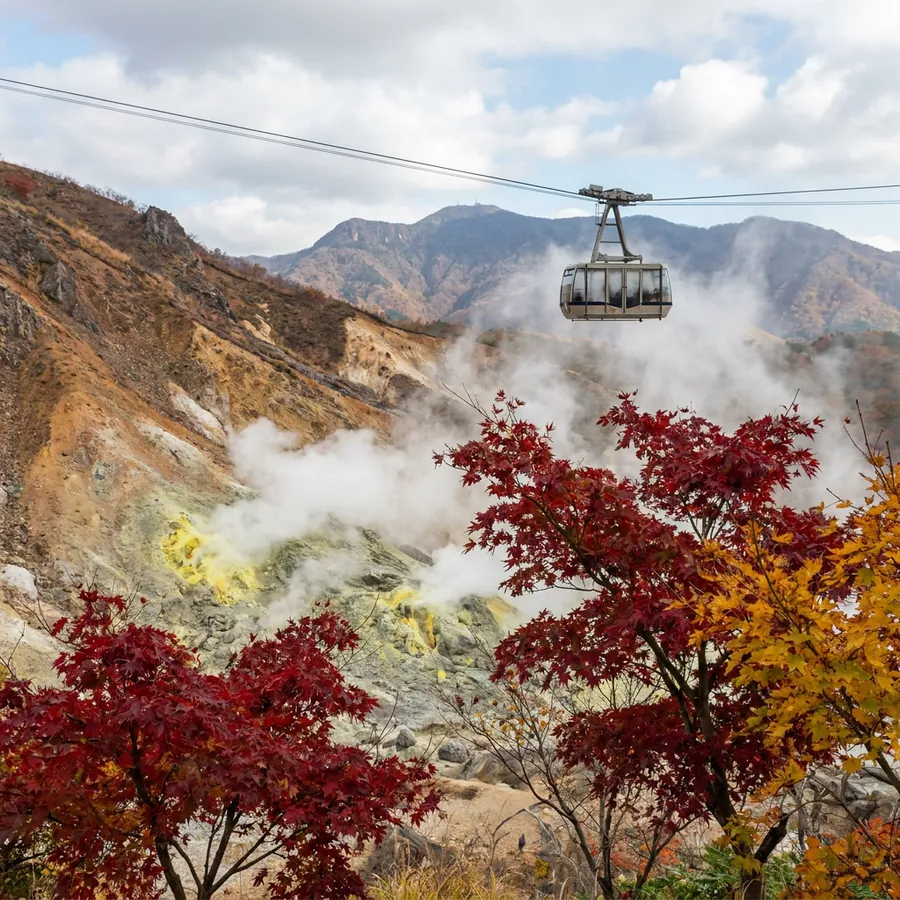
- Hakone Free Pass: boat on Lake Ashi and cable car over Owakudani;
- Round trip ferry to Miyajima;
- Pre-loaded Suica transport card, for subway and bus;
- Admissions: Toshogu, Tenryu-ji, Kinkaku-ji, Ryoan-ji, Todai-ji, Kiyomizu-dera (evening illumination), Peace Memorial Museum, Osaka Castle;
- Access to Shibuya Sky terrace, at sunset;
- Romanian tour leader throughout the trip;
- English-speaking local guides in Tokyo, Kyoto, and Hiroshima;
- Medical travel insurance;
- Meals not mentioned as included;
- Drinks at meals;
- Optional activities;
- Hot spring resort tax at ryokan (approx. 150 yen per night, payable at reception);
- Cancellation insurance;
- Personal expenses;
Attractions and activities
Reviews
24 Septembrie 2025
20 Septembrie 2025
10 Septembrie 2025
13 August 2025

Many thanks to the two wonderful young people, Alex and Serban, who organized this unforgettable trip! You were involved, attentive, generous, and made us feel pampered and safe every step of the w...
13 August 2025
Detailed itinerary
11 days of adventure, organized step by step
We meet in the evening at Otopeni airport and fly to Istanbul, from where we depart after midnight for Tokyo. The crossing of Asia is done at night; we land the next day in the evening, at Haneda airport, the one closest to the city.
We land at 7:50 PM, Japan time — seven hours ahead of Romania. Transfer to the hotel in Shinjuku, the district with the busiest train station in the world: three and a half million people a day.
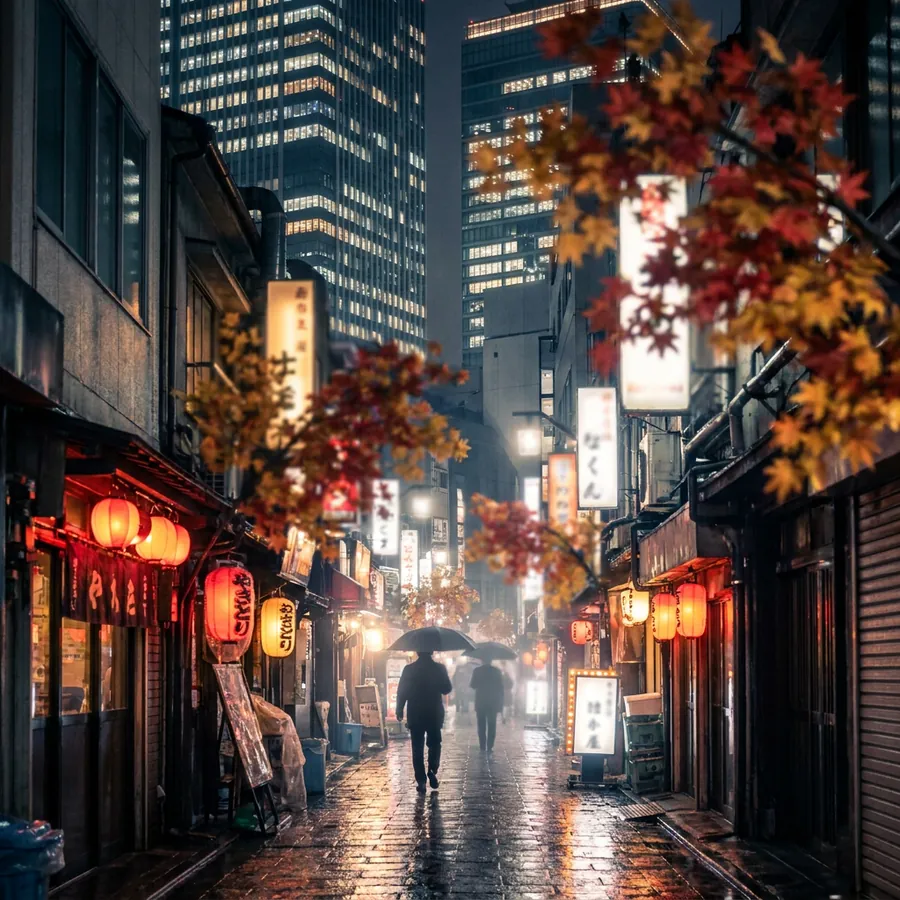
Whoever still has energy can go for a walk on the streets of Omoide Yokocho, with dozens of small restaurants with eight seats each, each with its own grill.
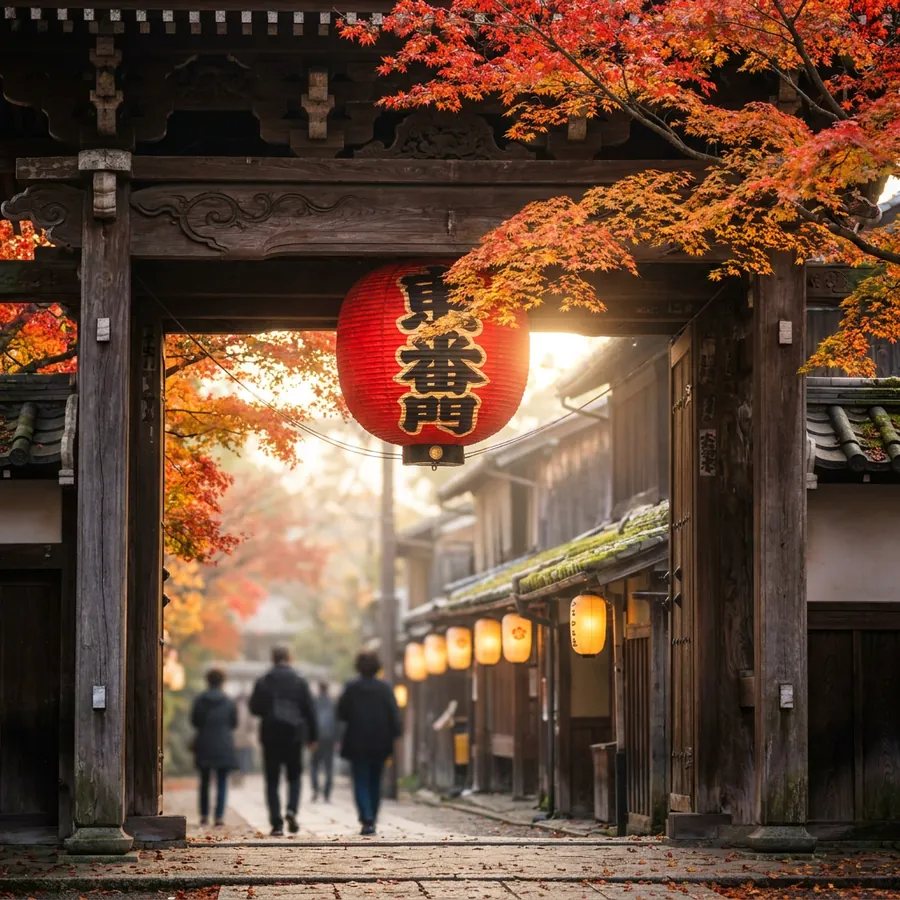
We start early in the morning at Senso-ji, the oldest temple in the city, before it gets crowded: the four-meter red lantern at Kaminarimon gate, Nakamise market street, and the five-story pagoda.
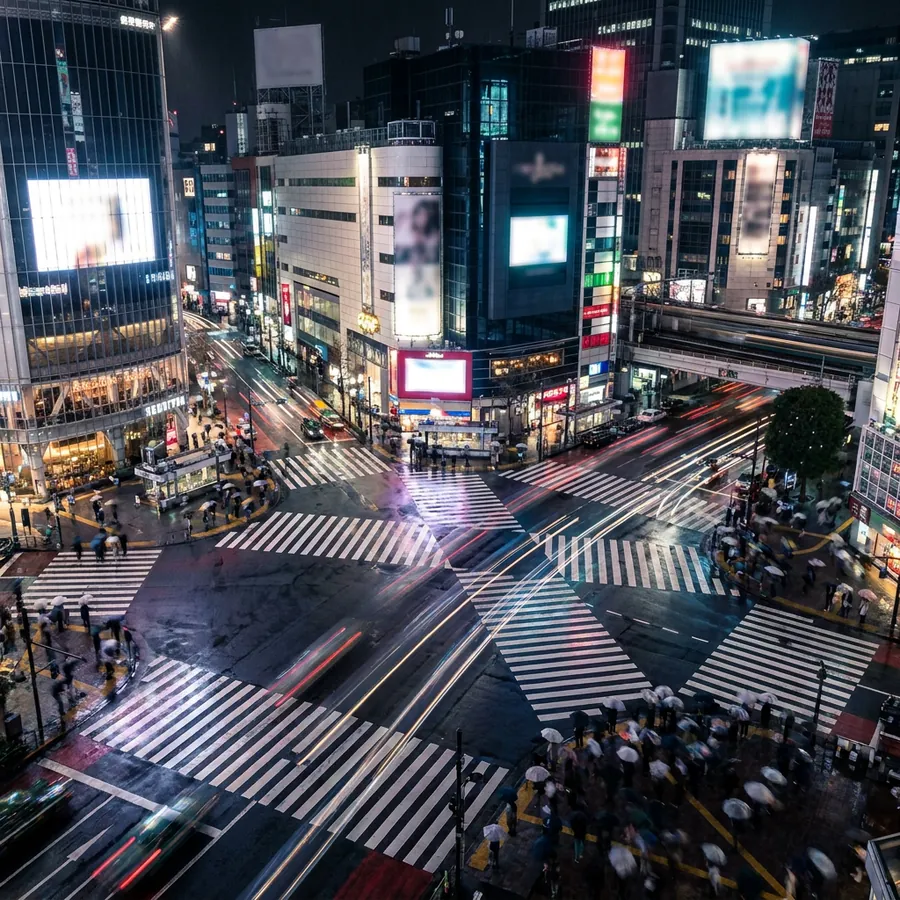
Then we pass through the forest of one hundred thousand trees surrounding the Meiji Shrine — planted in the middle of the city a hundred years ago — and emerge directly into Harajuku, on Takeshita, the street of teenage fashion. At Shibuya we cross the famous intersection along with three thousand other people and watch it from above, from the Shibuya Sky terrace, at sunset.
In the evening, Shinjuku: the neon lights of Kabukicho and the free panoramic view from the 45th floor of the City Hall.
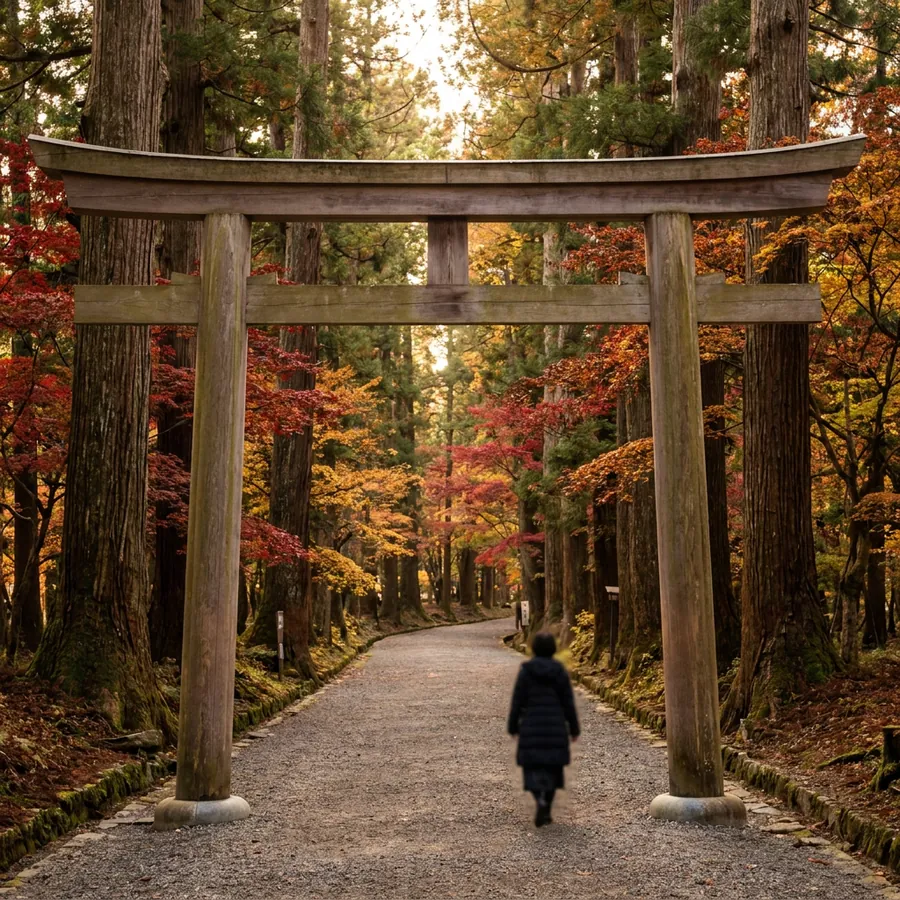
Full day in the mountains, two hours north of Tokyo. Nikko is the burial place of Tokugawa Ieyasu, the shogun who unified Japan, and his shrine, Toshogu, is the most richly decorated building in the country: five thousand carvings, the Yomeimon gate covered in gold leaf, and the three wise monkeys, which are from here.
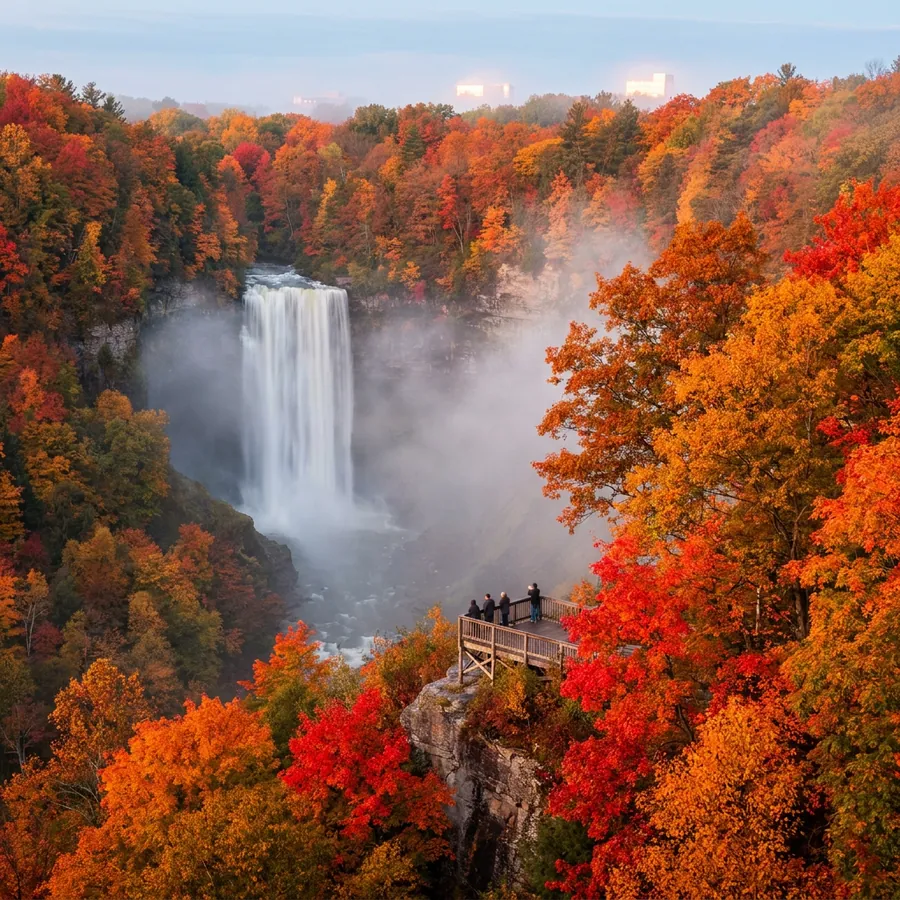
We then climb the Irohazaka winding roads — forty-eight turns, one for each letter of the old alphabet — to Kegon Waterfall, which drops ninety-seven meters at once, and Lake Chuzenji. In November, the whole valley is red and gold.
We descend southwest, into Hakone National Park. We cross Lake Ashi by boat, with Mount Fuji rising in the background — if the sky is clear, and in November it usually is — and ascend by cable car over Owakudani, the volcanic valley where sulfur emerges from the ground and where eggs boiled in the springs turn black.
In the evening, we settle into a ryokan, the traditional inn: rooms with tatami, yukata instead of clothes, open-air thermal baths among maple trees, and a kaiseki dinner — ten to twelve small courses, brought one by one, each arranged like a painting. It's the night everyone remembers.
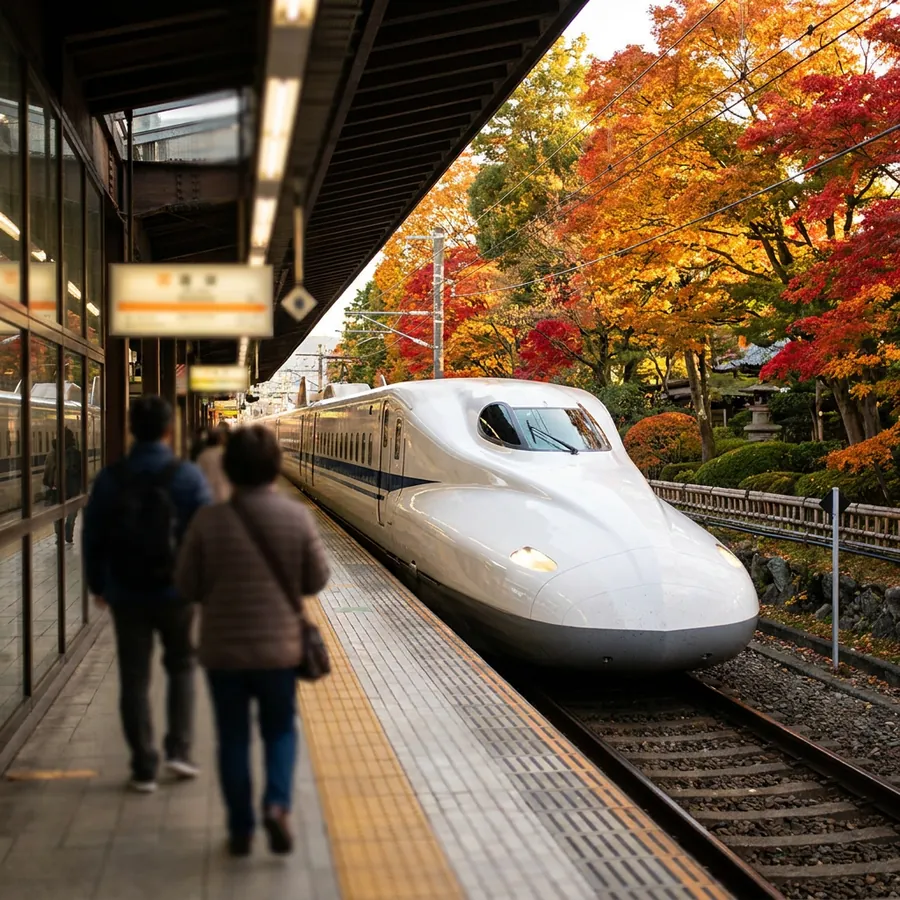
In the morning, the first ride with Shinkansen: two hours and ten minutes to Kyoto, at three hundred kilometers per hour, with Fuji on the right window. Large luggage goes separately, with the hotel-to-hotel courier service — we only travel with a backpack.
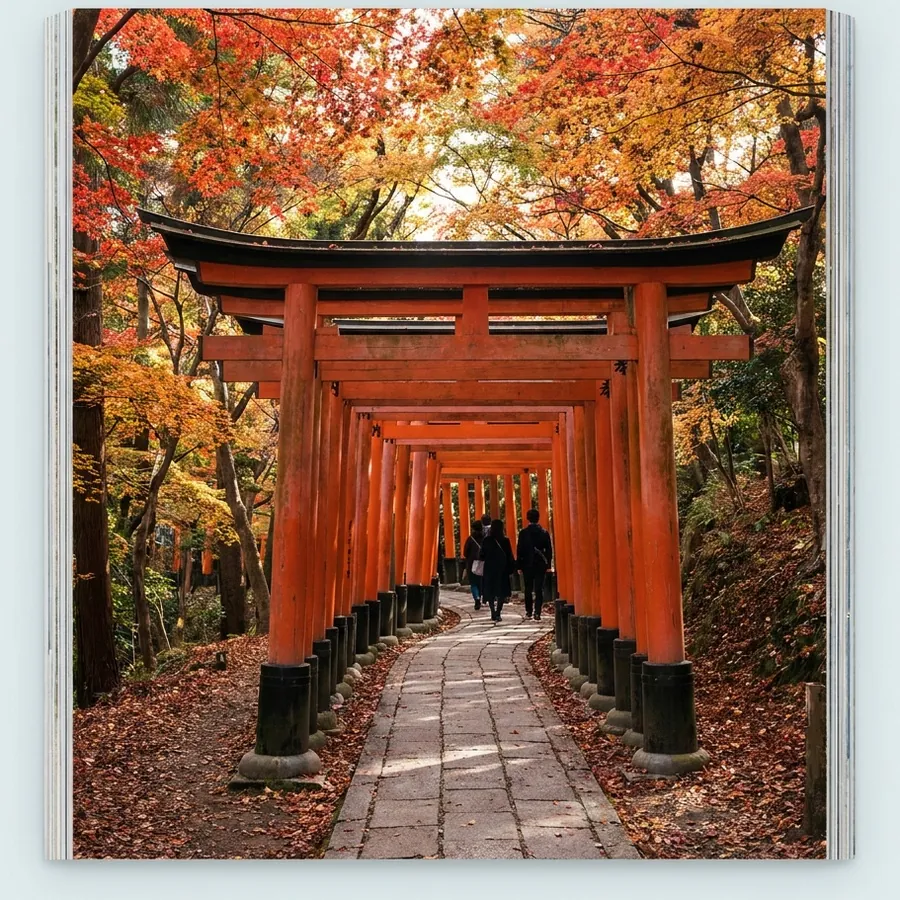
In the afternoon, Fushimi Inari: ten thousand red torii gates, placed one next to the other on a forested hill, forming tunnels that climb four kilometers. We go as far as each wants — the first two kilometers are the most spectacular.
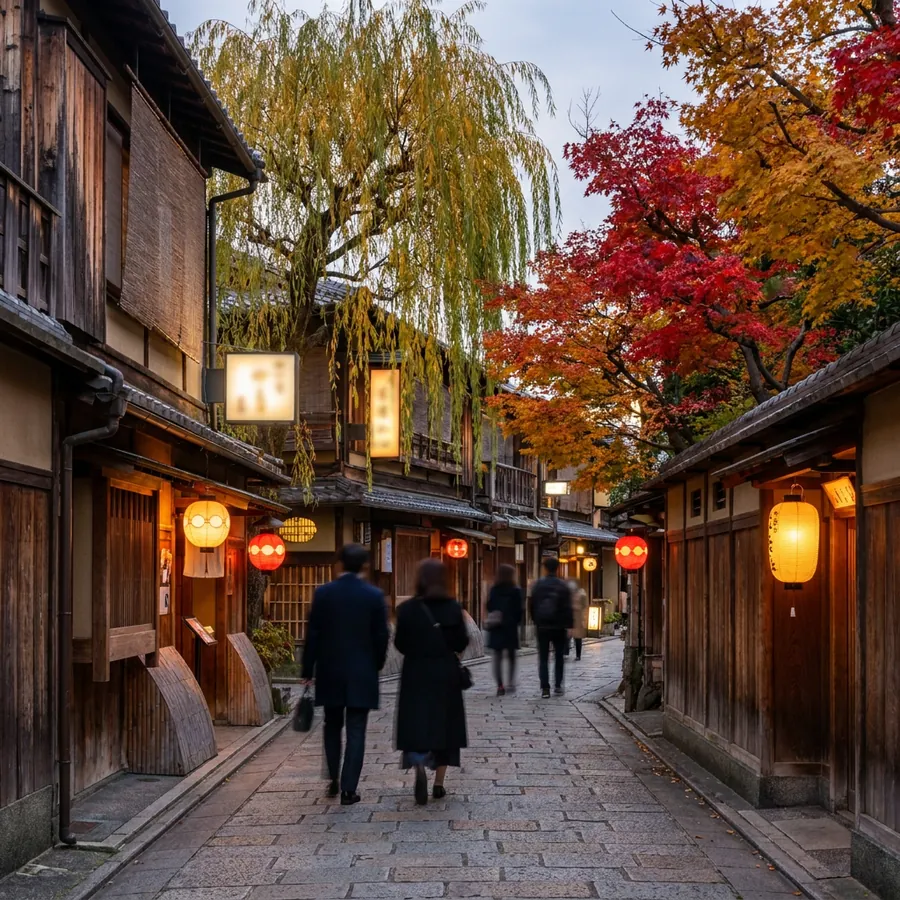
In the evening, Gion, the geisha district: wooden houses, paper lanterns, and, with a little luck, a maiko hurrying to a dinner on Hanamikoji.
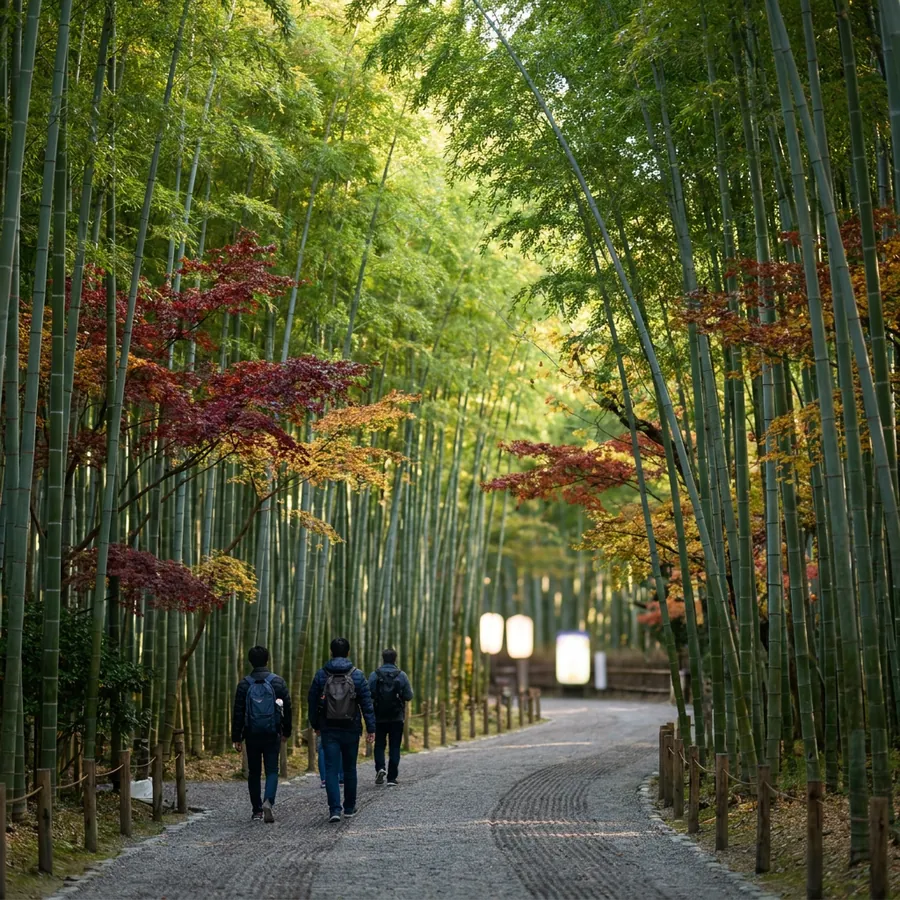
We start in Arashiyama, on the western edge of the city: the bamboo forest, where twenty-meter stalks bend over the path, and the garden of Tenryu-ji Temple, with a lake made seven hundred years ago precisely to reflect the mountain behind it.
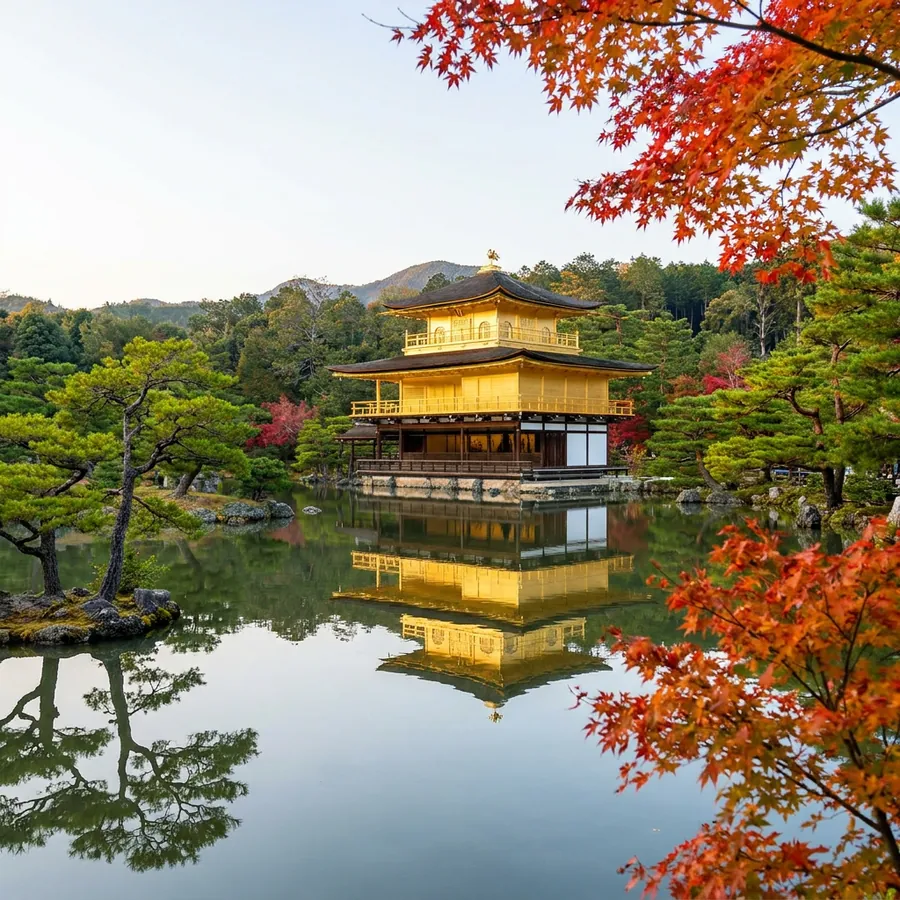
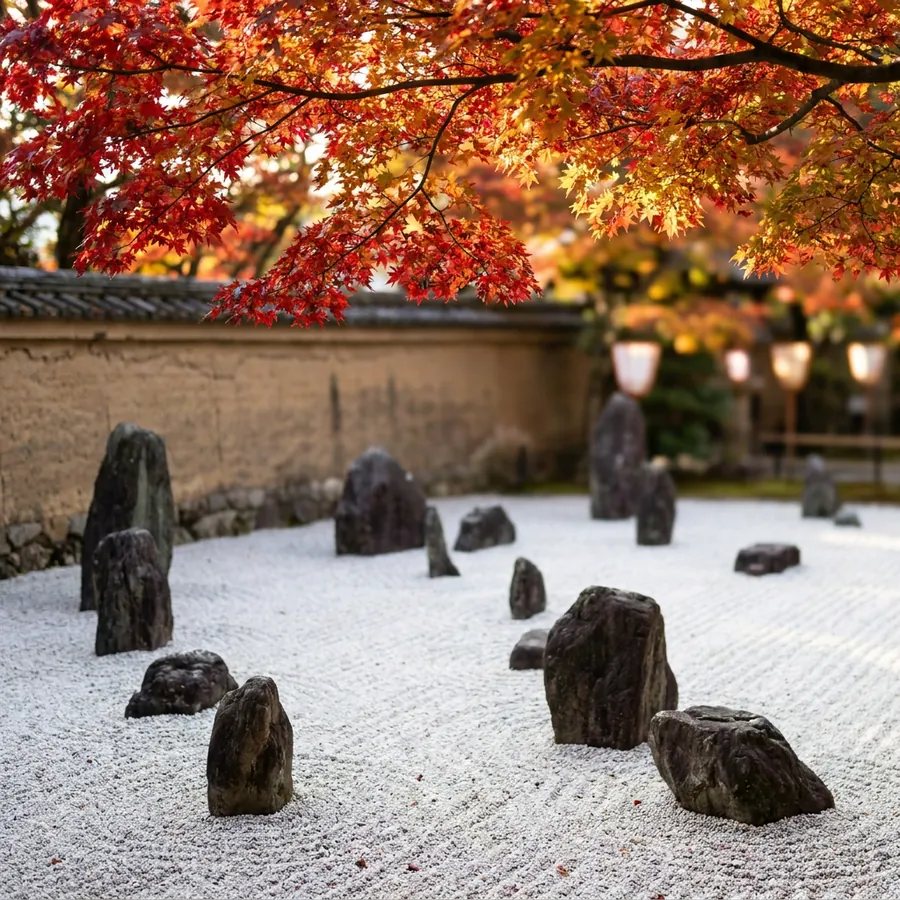
We continue to Kinkaku-ji, the Golden Pavilion — covered with gold leaf, reflected in the water, surrounded by red maple trees in November — and to Ryoan-ji, the Zen garden of raked gravel and fifteen stones, from anywhere you sit, you can only see fourteen.
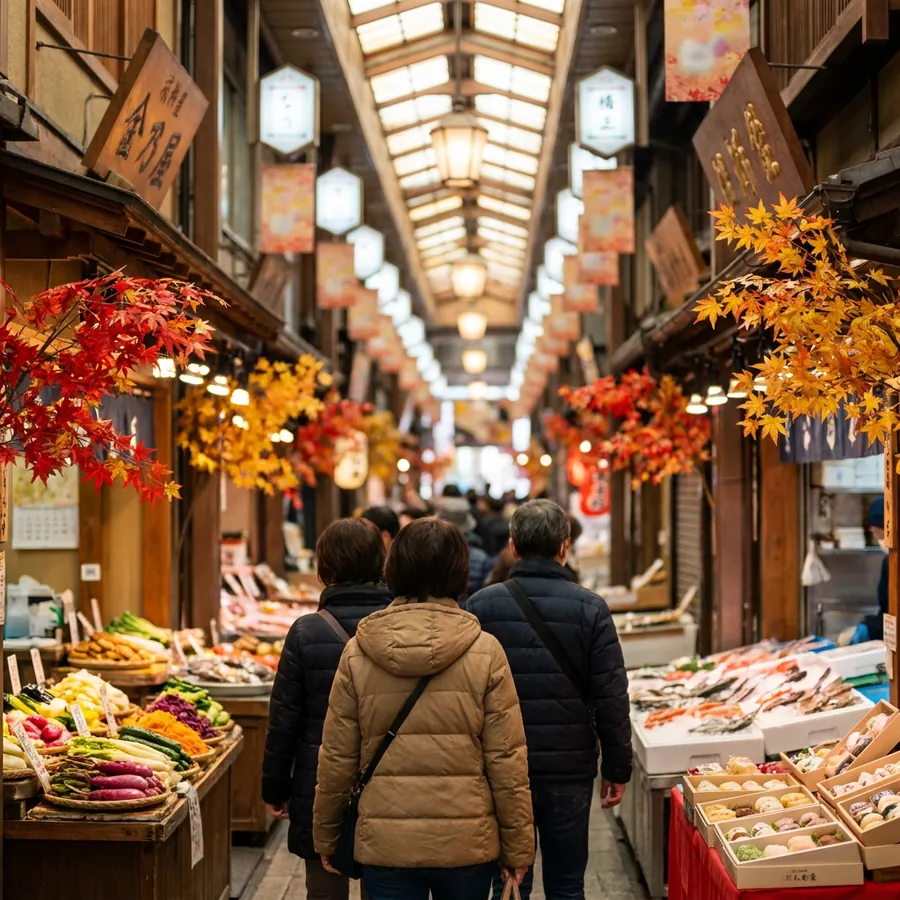
In the afternoon, Nishiki Market, "Kyoto's Kitchen": four hundred meters of stalls with pickles, tofu, tea, and sweets, to taste one by one.
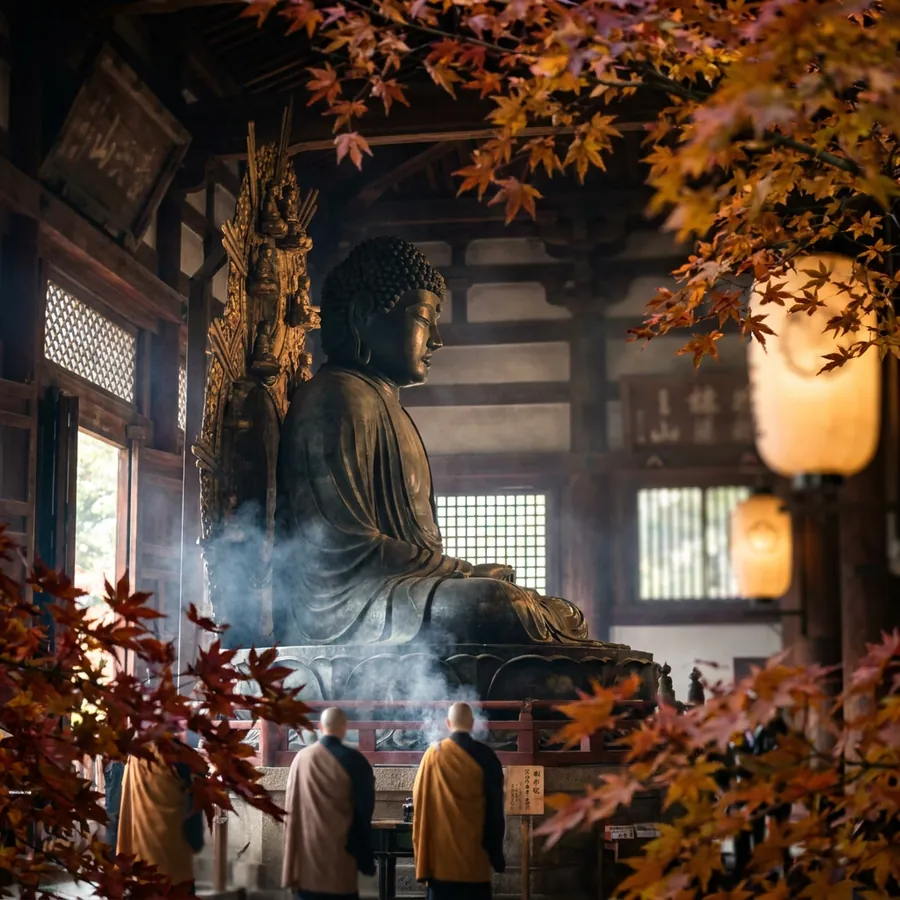
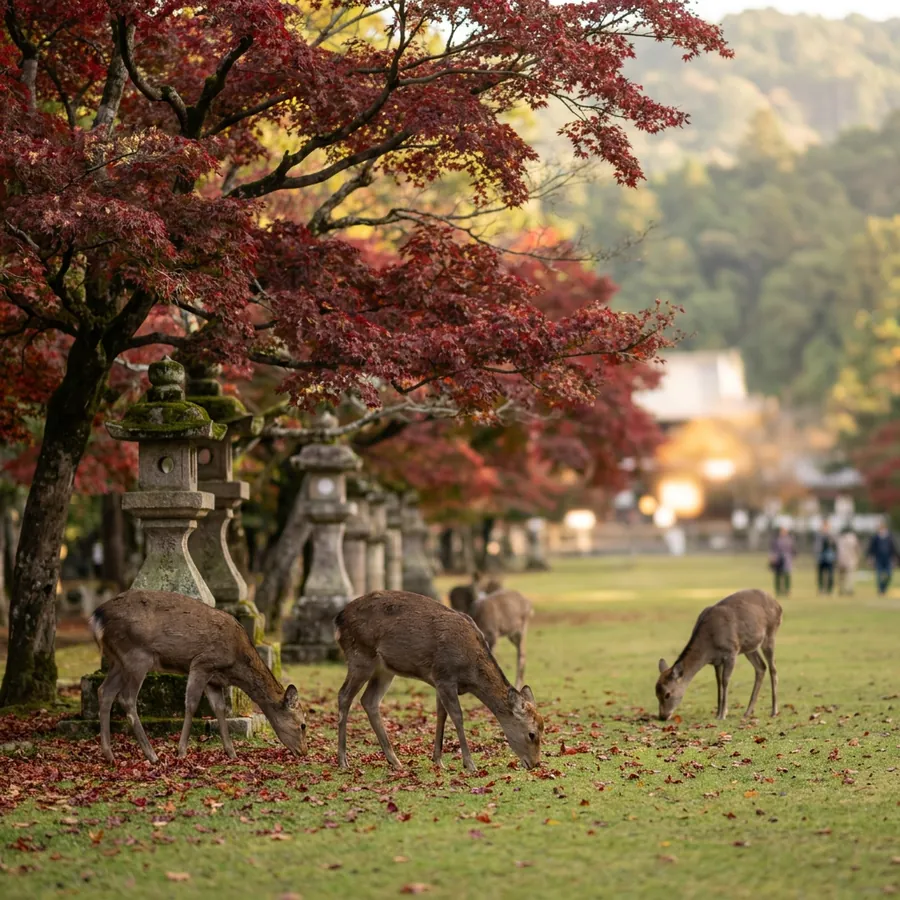
An hour from Kyoto, Nara was the first capital of Japan. At Todai-ji, the largest wooden building in the world, stands the Great Buddha: fifteen meters of bronze, cast in the 8th century. In the surrounding park live twelve hundred free deer, considered messengers of the gods, who have learned to bow for biscuits.
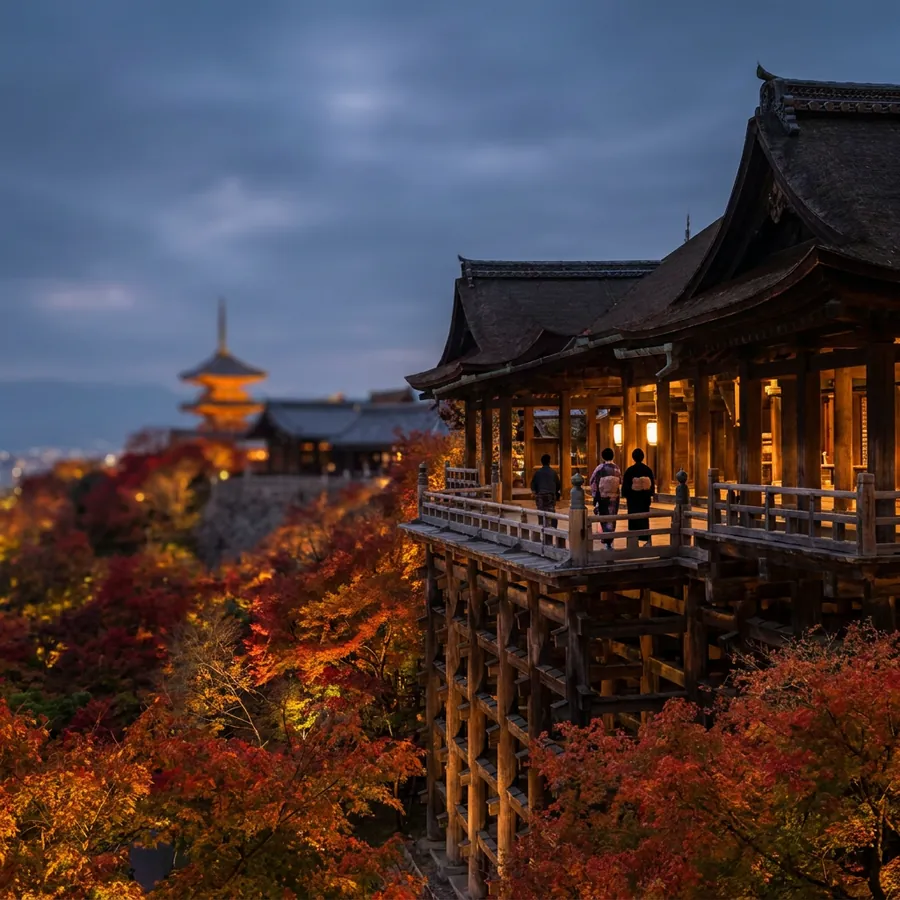
We walk along the alley with three thousand stone lanterns to the Kasuga Taisha shrine and return to Kyoto for the evening: Kiyomizu-dera, the temple with the wooden terrace suspended on pillars above the hill, open at night only a few weeks a year, with maples illuminated from below. We are exactly in that window.
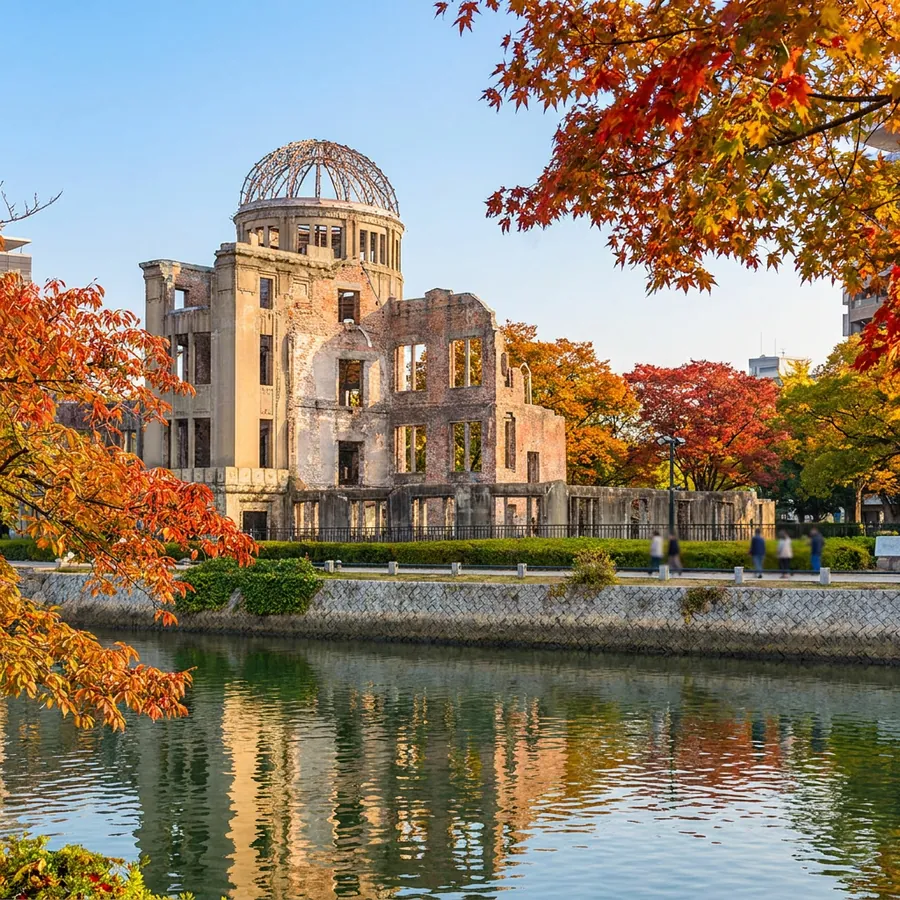
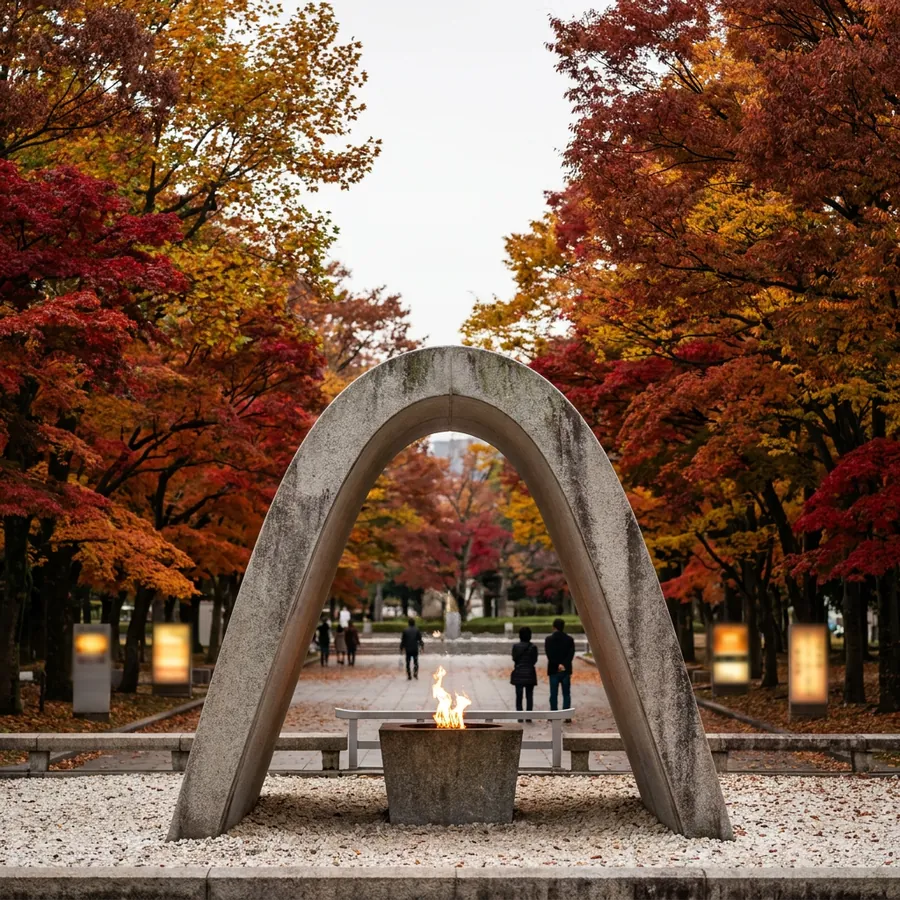
One hour and forty minutes by Shinkansen to the west. In Hiroshima we go to the Peace Memorial Park, built exactly under the site of the explosion on August 6, 1945: the Atomic Bomb Dome with its steel skeleton intentionally left as it remained, the cenotaph, the flame that burns until the last nuclear weapon disappears, and the museum - difficult, but necessary.
In the afternoon we take the ferry to Miyajima Island, one of Japan's three classic views. The great red torii gate of Itsukushima Shrine stands in the sea, and at high tide it seems to float. We stay until sunset, when the lanterns light up and the water turns purple.
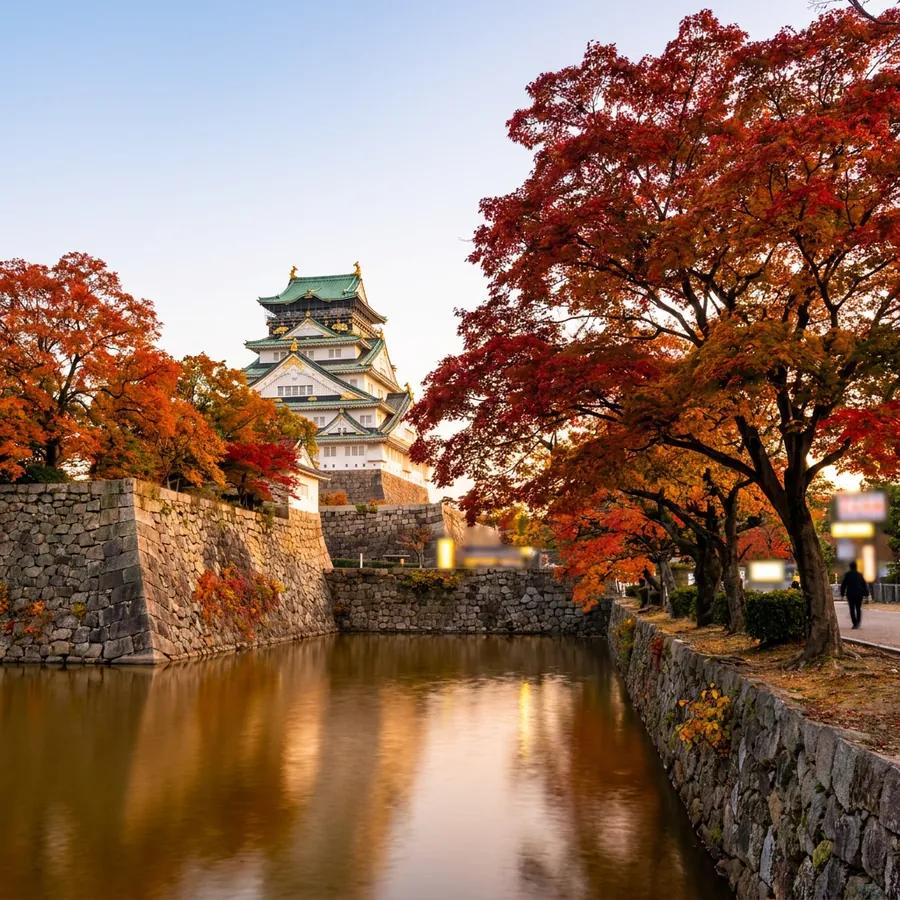
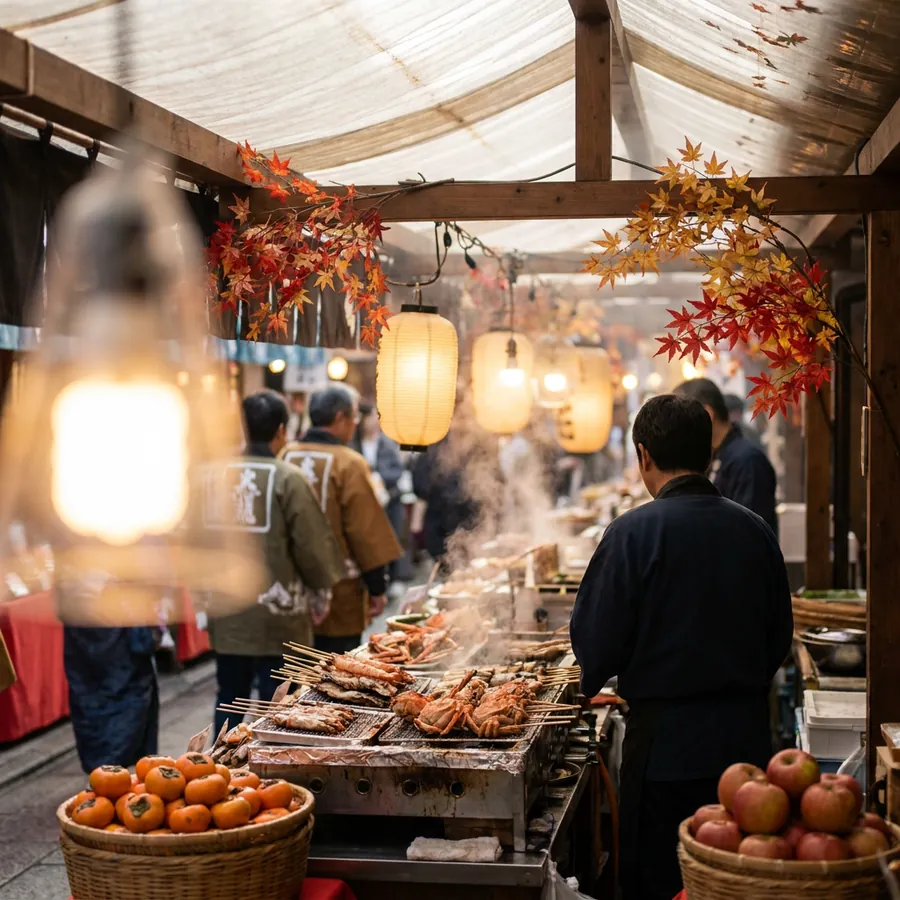
The last Shinkansen ride, an hour and a half, to Osaka. We go up to the castle, the one with green roofs and golden ornaments, rebuilt on the stone walls from 1583, and go down to Kuromon market for lunch: grilled crab, tuna, takoyaki – Osaka is the city where Japanese people come to eat.
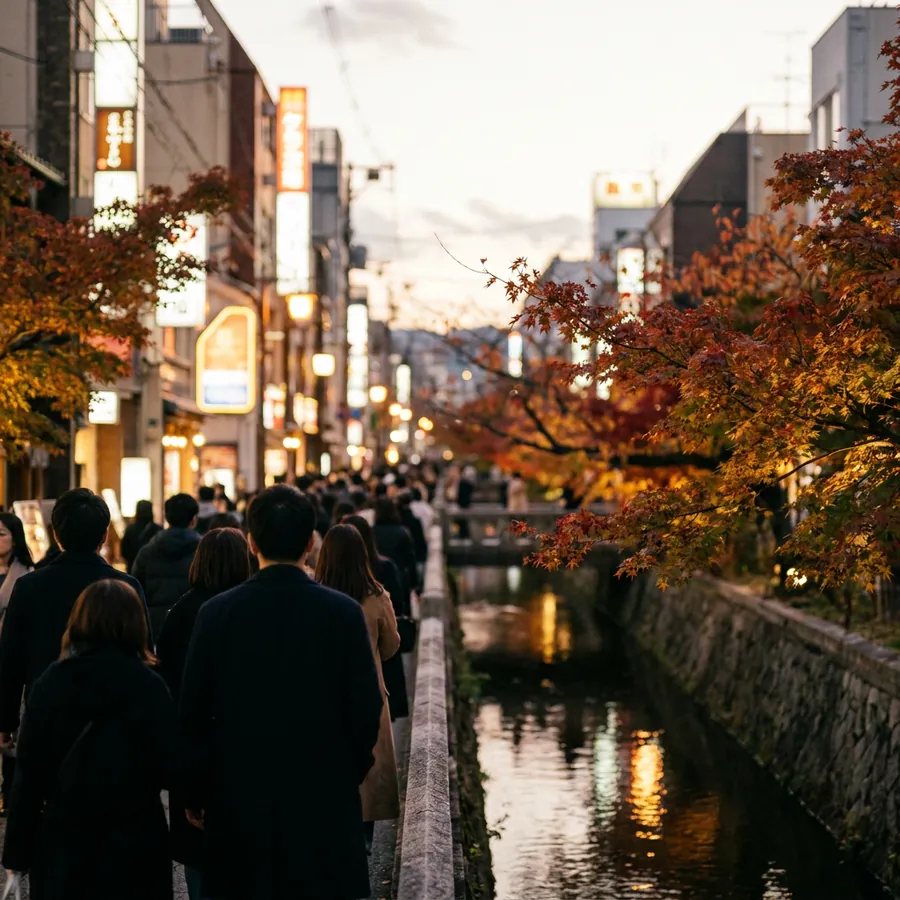
We spend the last hours on Dotonbori, the canal with giant illuminated signs, then transfer to Kansai airport for the overnight flight home.
We fly west and regain seven hours. We land in Otopeni in the morning.
Hotels
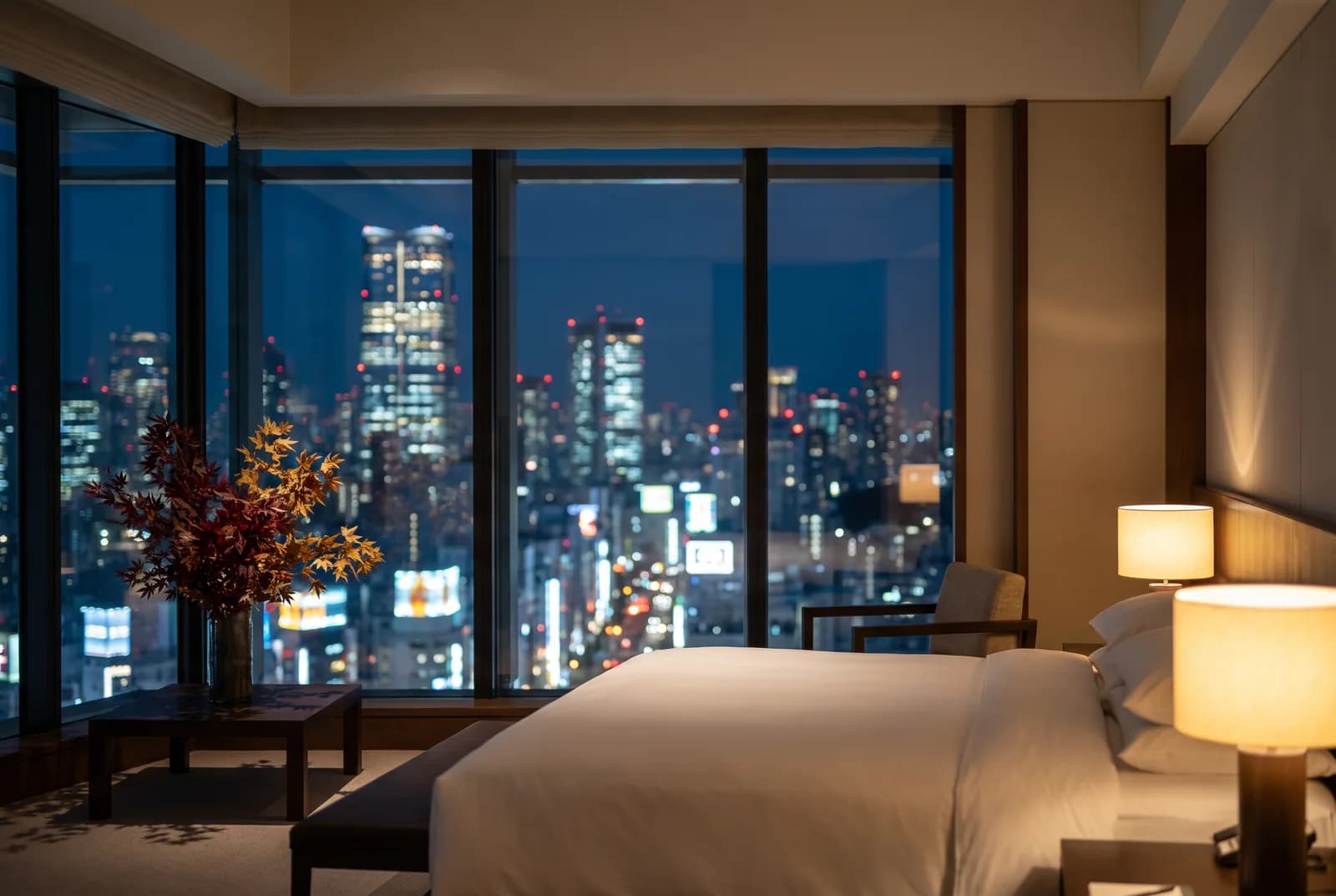
Keio Plaza Hotel Tokyo
Five-star hotel in Shinjuku, a few minutes' walk from the station and City Hall, with rooms on the upper floors and city views — on clear days, all the way to Fuji. Over fourteen hundred rooms, Japanese and Western restaurants, and a direct airport shuttle.
The mentioned hotel or a similar one of the same category. Final confirmation is made upon registration.
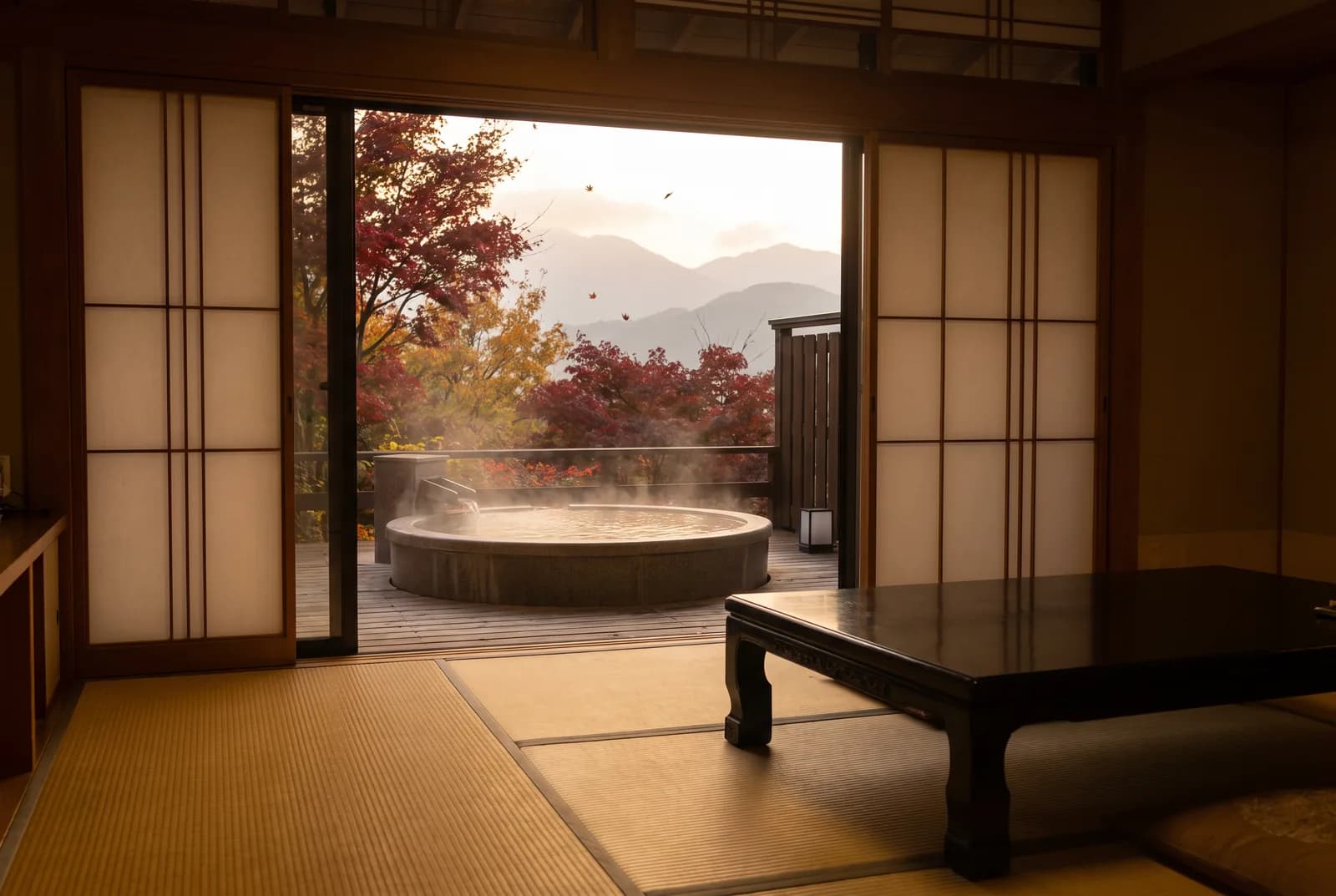
Hakone Kowakien Ten-yu
Luxury ryokan on a hill in Hakone: tatami rooms, each with its own outdoor thermal bath on the terrace, plus large communal spring-fed baths overlooking the forest. Kaiseki dinner and Japanese breakfast are served in yukata. Among the top-rated ryokans in the region.
The mentioned hotel or a similar one, of the same category. Final confirmation is made upon registration.
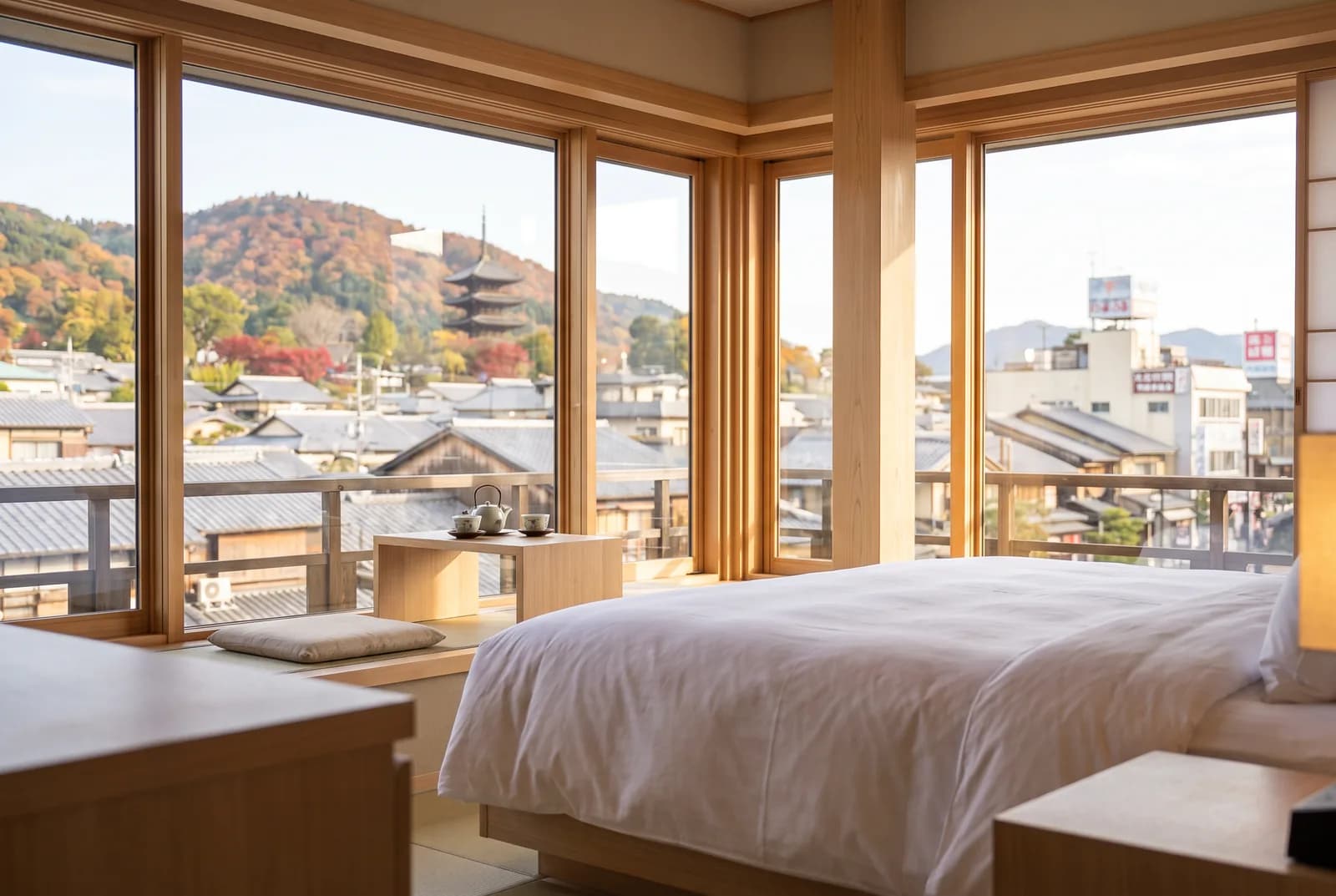
Hotel Granvia Kyoto
Hotel in the Kyoto train station building, with direct entrance from the Shinkansen platform — no transfers, no luggage to carry. Spacious rooms by Japanese standards, indoor pool and fifteen restaurants in the complex. All temples are ten to twenty minutes away by bus or taxi.
The mentioned hotel or a similar one, of the same category. Final confirmation is made upon registration.
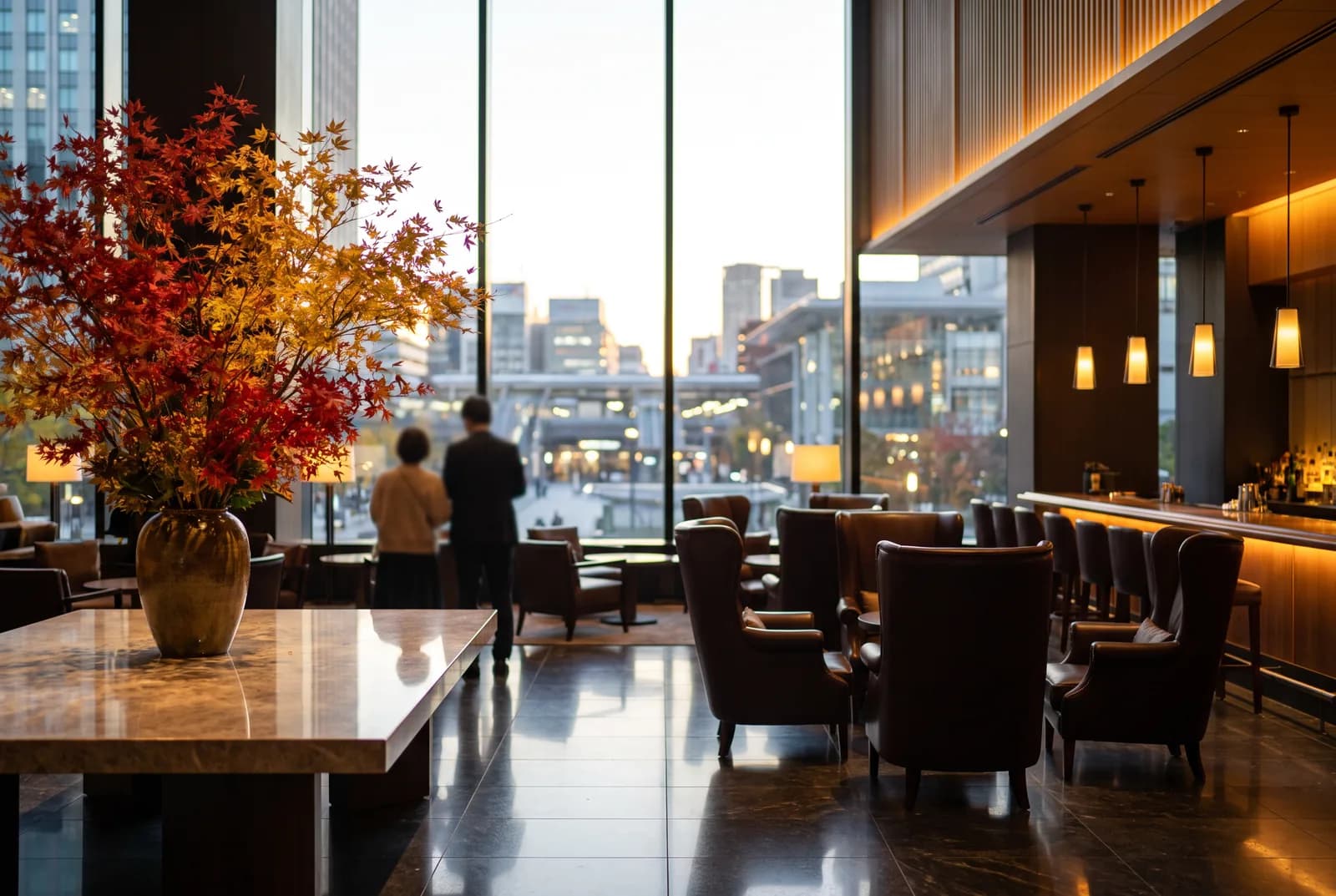
Sheraton Grand Hiroshima Hotel
Next to Hiroshima Station, with covered access to the Shinkansen platform, so the next morning we leave for Osaka without a taxi. Large rooms, with floor-to-ceiling windows, pool and spa. Peace Park is ten minutes away by tram.
The mentioned hotel or a similar one, of the same category. Final confirmation is made upon registration.
Optional Activities
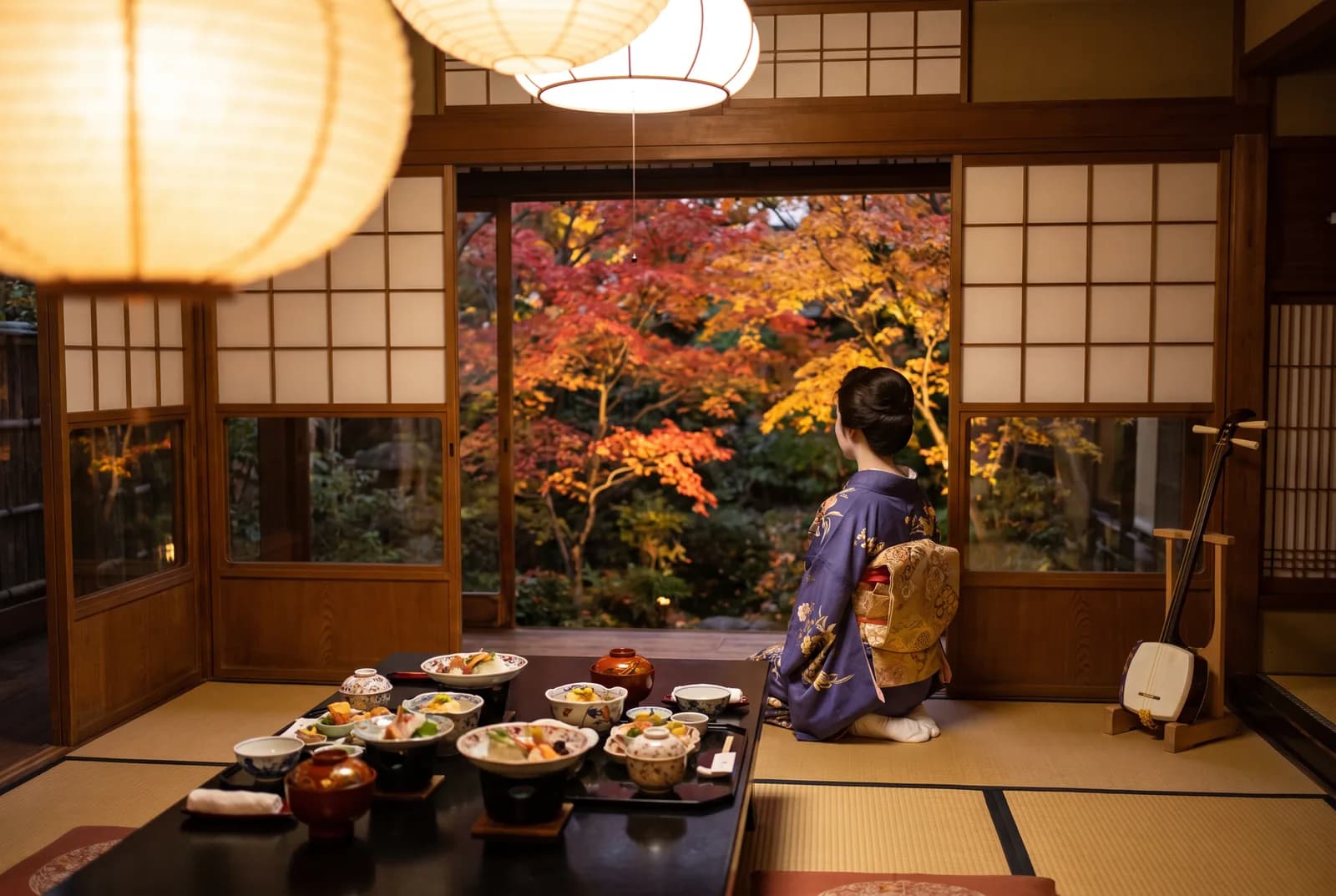
Dinner with a maiko in Gion
- Kaiseki dinner in a tea house
- A maiko at the table, with an interpreter
- Traditional dance and drinking game
- Photos allowed
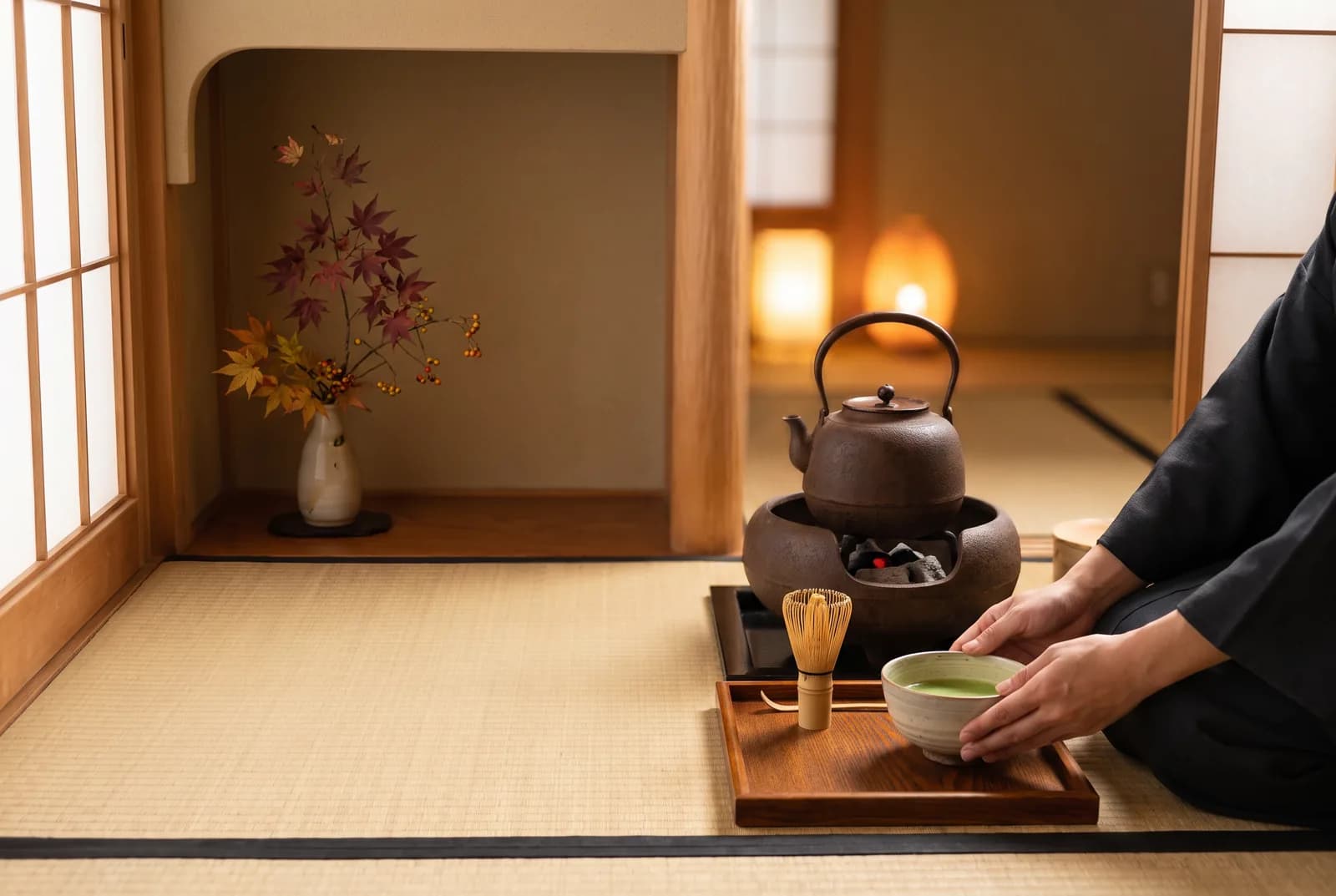
Tea ceremony, in kimono
- Kimono rented and dressed by a specialist
- One-hour ceremony, with explanations
- Matcha and wagashi sweets
- Tea house with garden, in Higashiyama
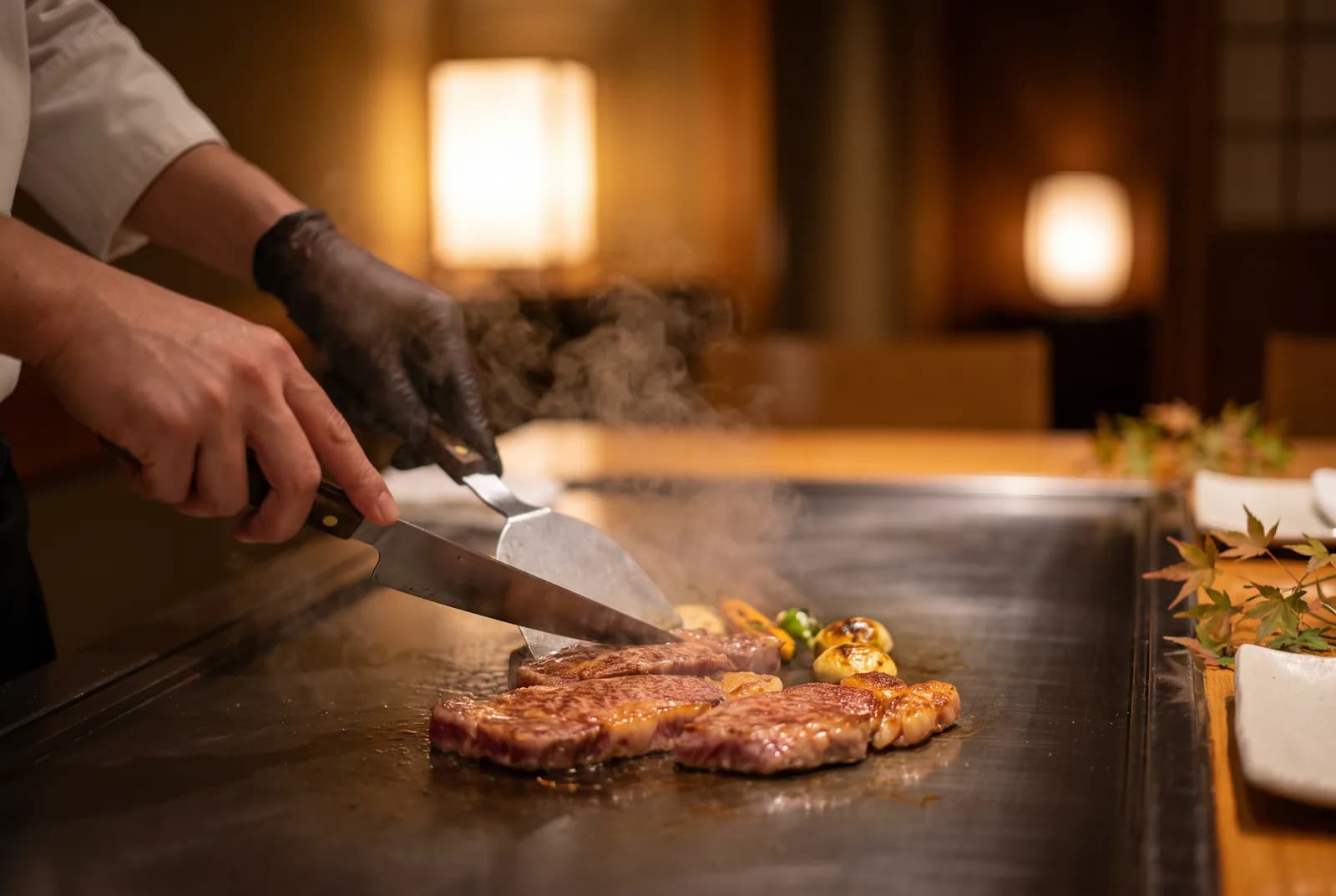
Kobe beef dinner, teppanyaki style
- Certified Kobe beef, 150g
- Cooked on the iron griddle, at the table
- Menu with appetizer, vegetables and dessert
- Restaurant in Umeda, Osaka
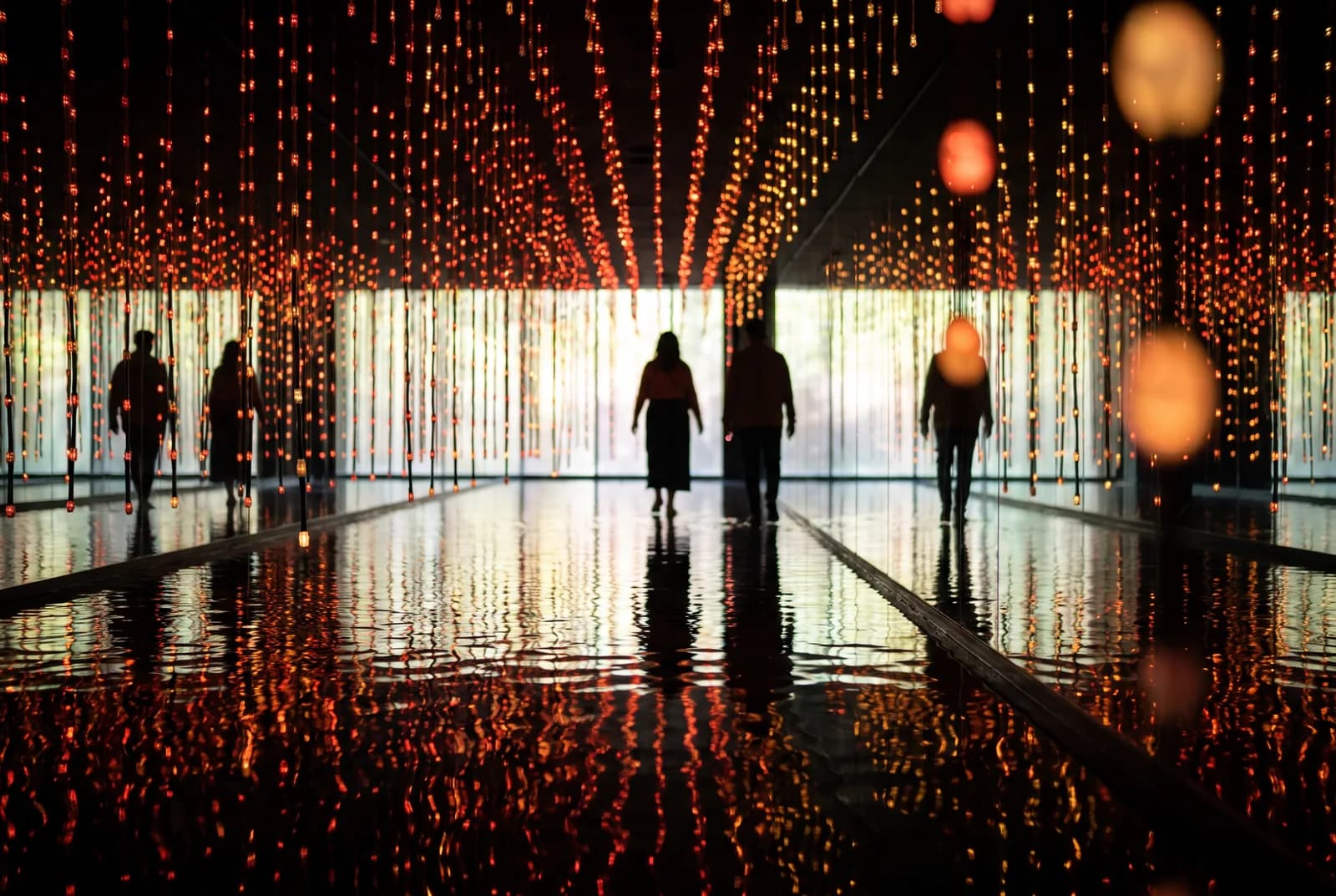
teamLab Planets, Tokyo
- Timed entry ticket
- Approximately two hours
- Barefoot entry, through water
- Hotel transfer
Flights
Flight details included in the package
Turkish Airlines
TK 1048 + TK 198
OTP
Bucharest
20:50
IST
Istanbul
23:10
IST
Istanbul
02:20
HND
Tokyo (Haneda)
19:50+1
Turkish Airlines
TK 47 + TK 1043
KIX
Osaka (Kansai)
22:30
IST
Istanbul
05:00
IST
Istanbul
07:45
OTP
Bucharest
08:05+1