Australia and New Zealand: Great Barrier Reef, Aoraki and Milford Sound
Australia and New Zealand: Great Barrier Reef, Aoraki and Milford Sound
- Round trip flight included
- Accommodation throughout the tour
- Group escort
- Small group, maximum 16 participants
Eighteen days through Australia and New Zealand: Great Ocean Road and the penguins of Phillip Island, a full day on the Great Barrier Reef, Sydney Harbour and the Blue Mountains, then Milford Sound fjord and the glacier at the foot of Aoraki. Five flights included and seven accommodations.
There are two countries that are visited together because they are difficult to reach and because they are not at all alike. Australia is large, warm, and horizontal. New Zealand is small, green, and vertical. Between them are three hours of flight over the Tasman Sea.
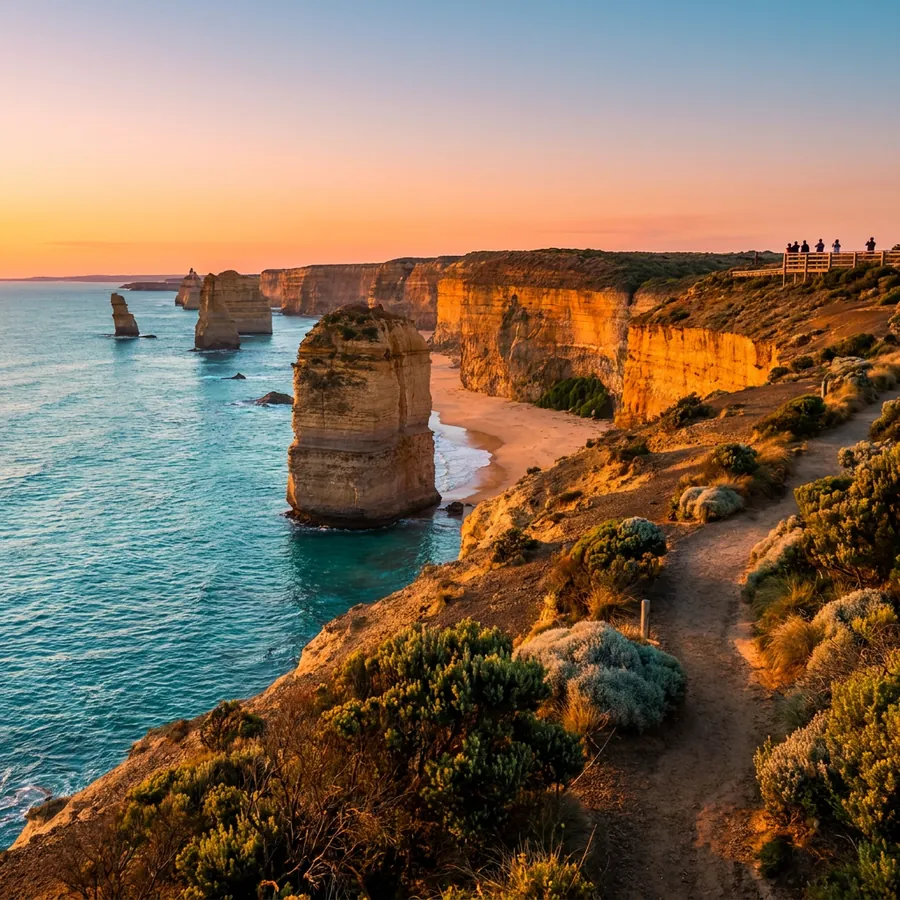
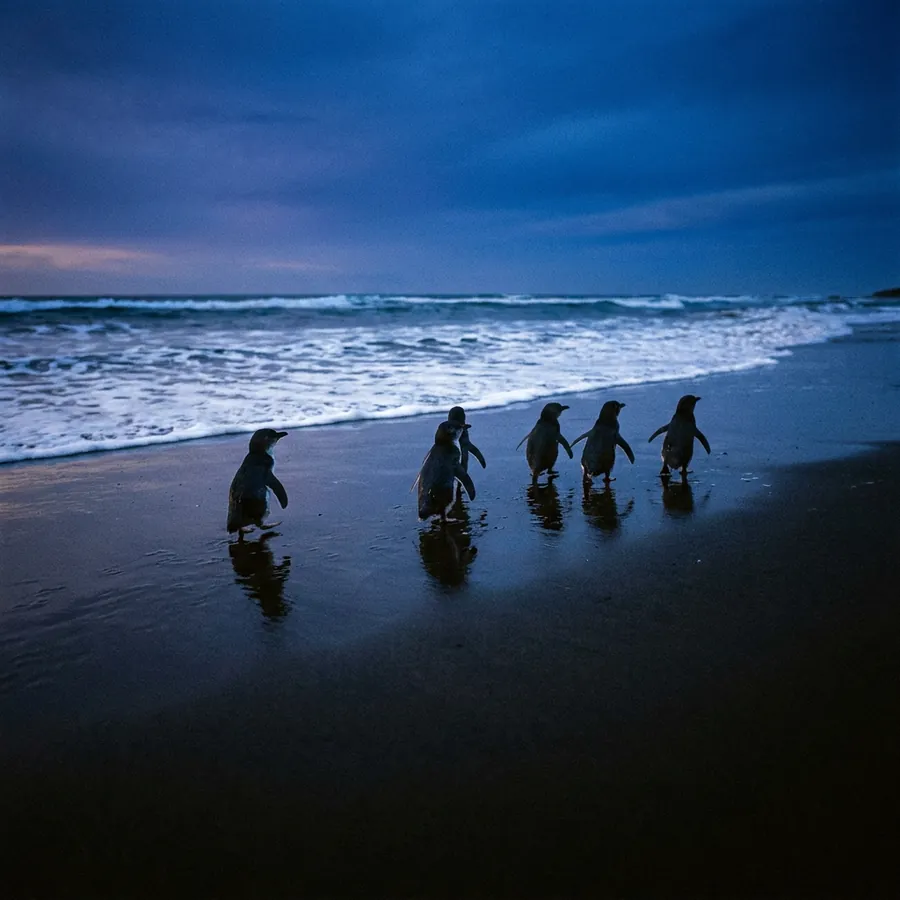
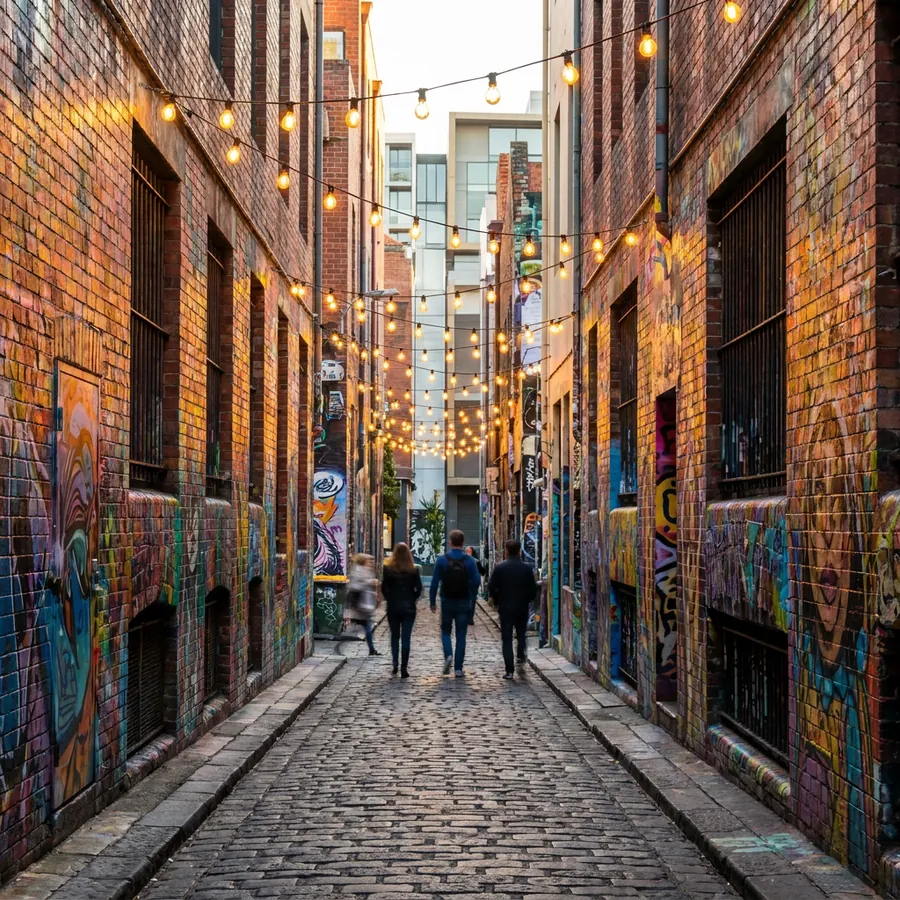
We start in Melbourne, with its streets full of street art and two excursions outside the city: the Great Ocean Road, the road that runs along the Southern Ocean to the limestone columns called the Twelve Apostles, and Phillip Island, where at sunset hundreds of little penguins emerge from the waves and cross the beach, in a line, towards their burrows.
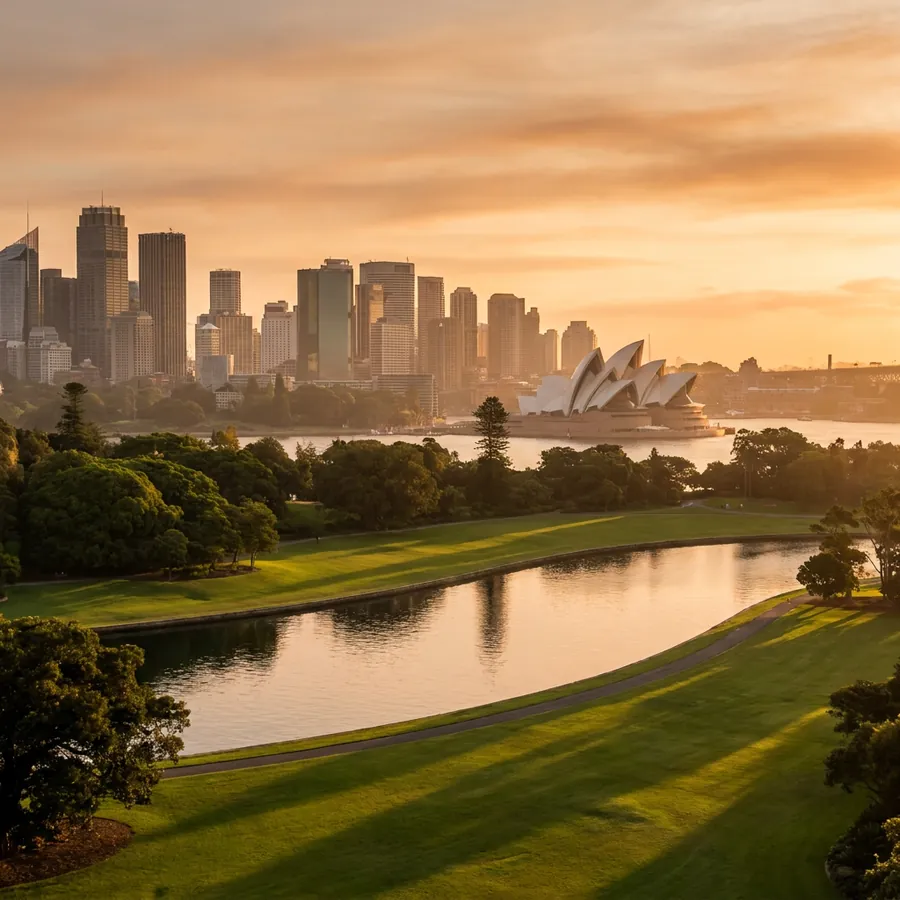
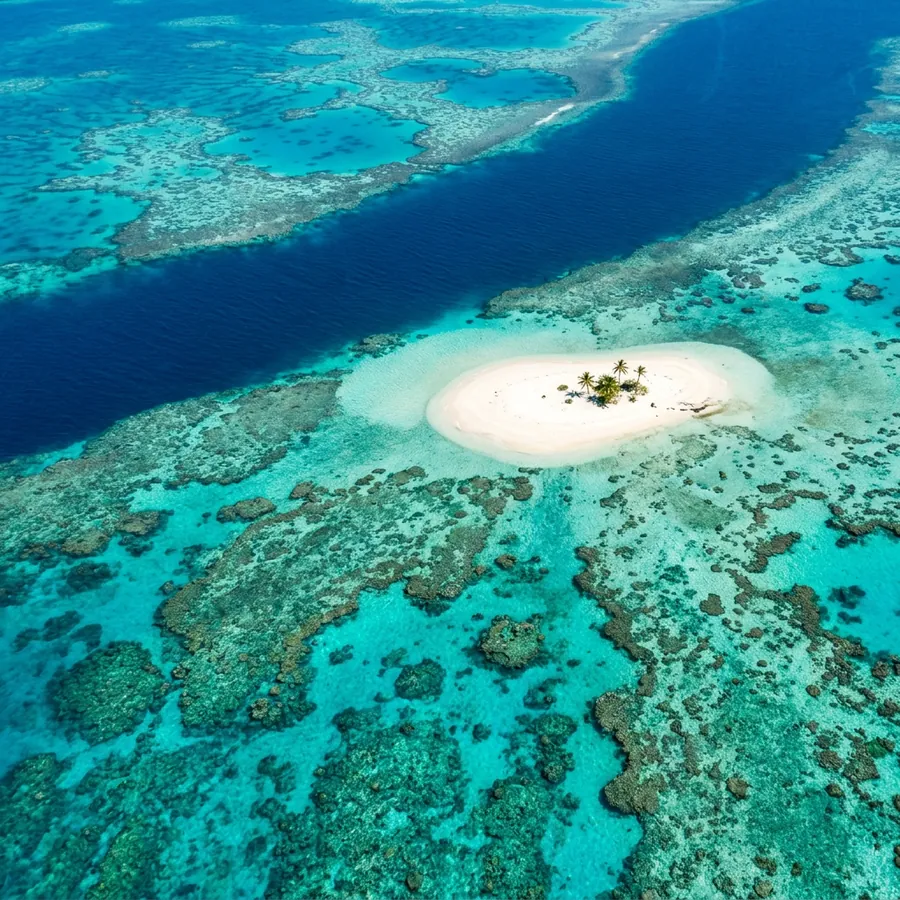
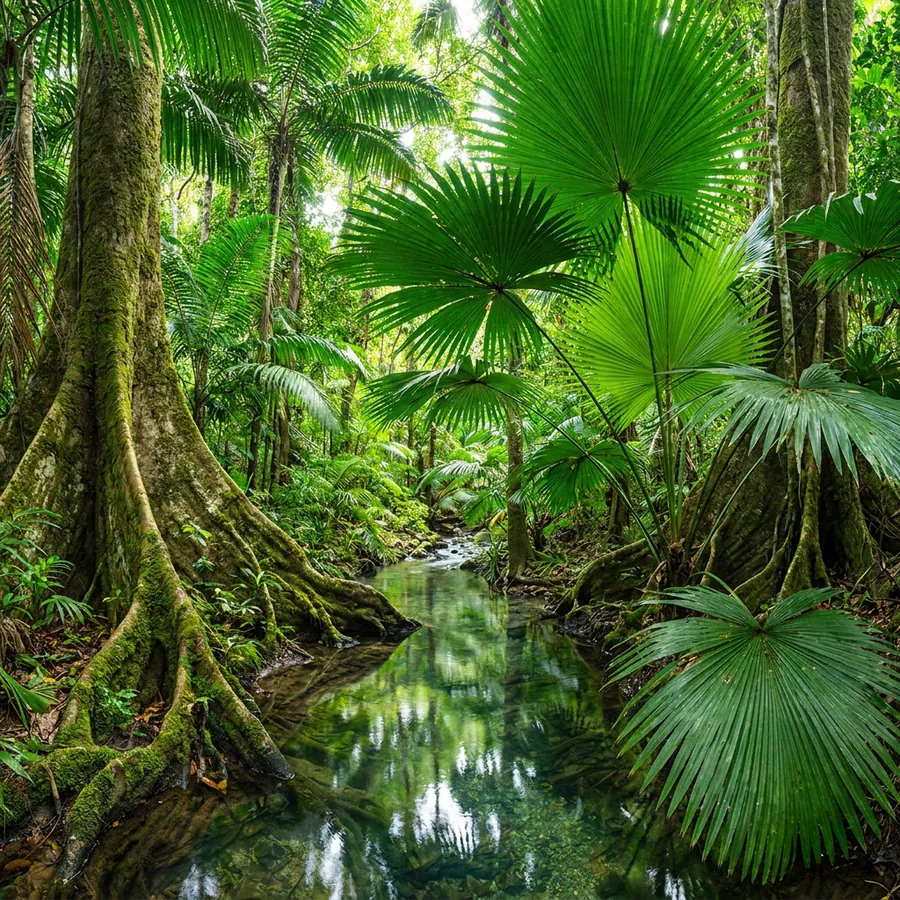
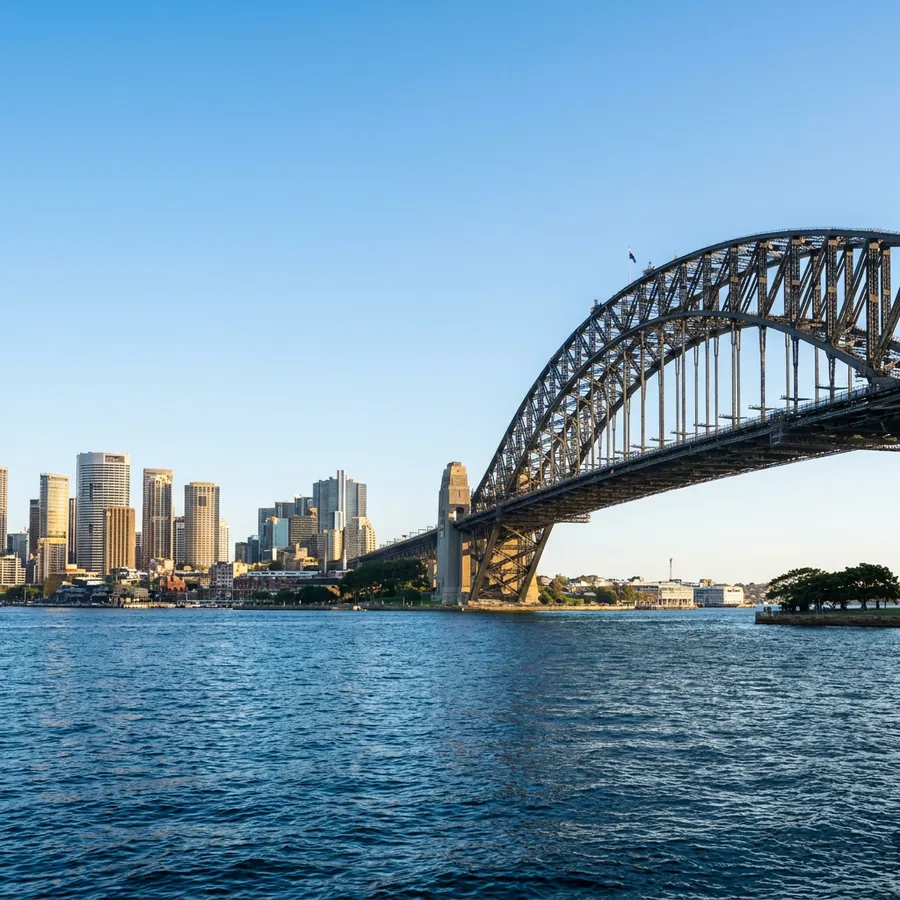
Then we go up to the tropics, to Cairns, for a full day on the Great Barrier Reef — the largest living structure on the planet, the only one visible from space — and for the rainforest near Kuranda, a hundred and eighty million years old. We go down to Sydney, with the Opera House and the bridge seen from the water, and go up to the Blue Mountains, where the eucalyptus releases so much volatile oil that the air between the ridges is actually blue.
In New Zealand, we catch both islands. In the north, Hobbiton and the geothermal valley of Rotorua, with geysers, orange lakes, and the smell of sulfur. In the south, Milford Sound, the fjord where the walls rise vertically a thousand meters from the water, and Aoraki / Mount Cook, the highest peak in the country, at the foot of which we walk to a glacial lake with icebergs.
Small group, maximum 16 people, with a Romanian tour leader for the entire circuit.
Highlights
- We drive along the Great Ocean Road, to the Twelve Apostles
- We watch the parade of little penguins on Phillip Island, at sunset
- A full day on the Great Barrier Reef, with snorkeling included
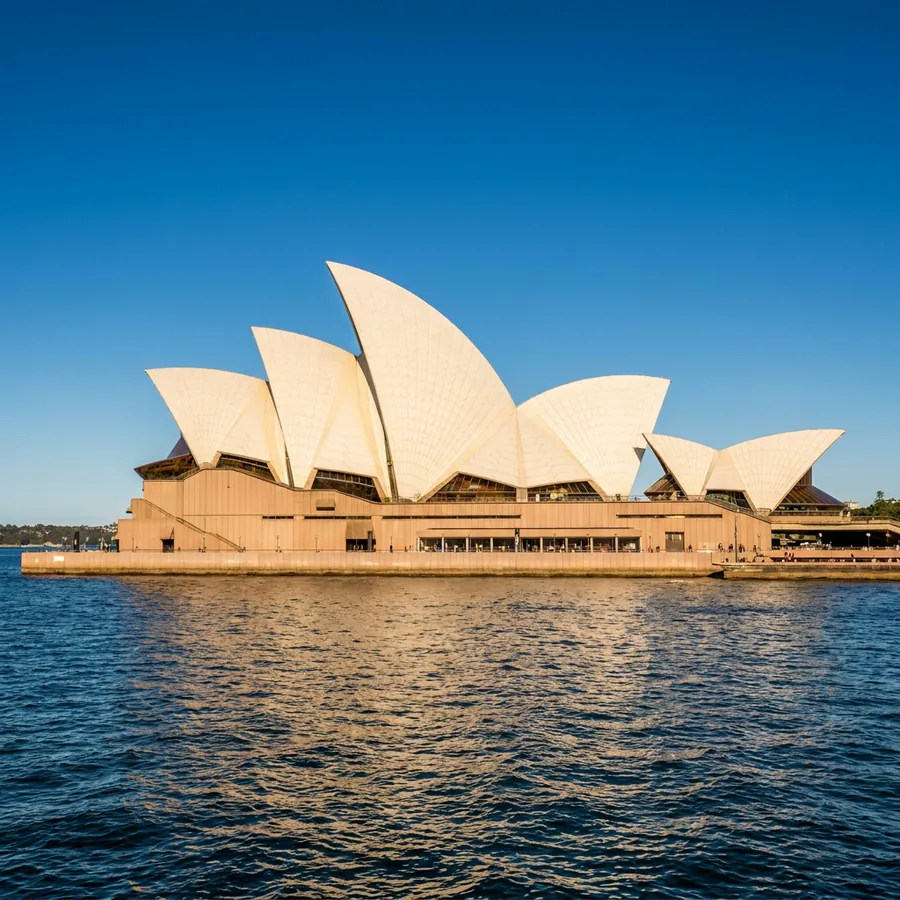
- Sydney Opera House from the inside and the harbor seen from the water
- We descend into the Blue Mountains with the steepest railway in the world
- We enter Hobbiton, the village preserved intact after filming
- Geysers, orange lakes, and hangi dinner in Rotorua
- Cruise on Milford Sound, under Mitre Peak and waterfalls
- Easy hike to the glacier at the foot of Aoraki
- Five flights included, small group of maximum 16 people
What's included
- Flight Bucharest -> Melbourne and return from Christchurch, with layovers;
- Domestic flight Melbourne -> Cairns;
- Domestic flight Cairns -> Sydney;
- Flight Sydney -> Auckland, across the Tasman Sea;
- Domestic flight Auckland -> Queenstown;
- Airport taxes and one 23 kg checked bag on all flights;
- 15 nights accommodation at 4* hotels;
- Breakfast every morning;
- Traditional hangi dinner, with Maori show, in Rotorua;
- Lunch on board the vessel, on Milford Sound;
- Buffet lunch on the Great Barrier Reef platform;
- All transfers with air-conditioned private coach;
- Full-day excursion on the Great Ocean Road, with guide;
- Entry and grandstand seat for the penguin parade, on Phillip Island;
- Full-day cruise on the Great Barrier Reef, with snorkeling equipment and vest;
- Panoramic train to Kuranda and Skyrail gondola on descent;
- Guided tour inside the Sydney Opera House;
- Full-day excursion to the Blue Mountains, with unlimited Scenic World ticket;
- Entry and guided tour to Hobbiton;
- Entry to Te Puia and Wai-O-Tapu;
- Two-hour cruise on Milford Sound;
- Romanian escort throughout the tour;
- English-speaking local guides in each city;
- Entrance fees to the national parks in the program;
- Travel medical insurance;
- Electronic entry authorizations: ETA for Australia and NZeTA for New Zealand;
- Meals not mentioned as included;
- Drinks with meals;
- Optional activities;
- Tips for local guides and drivers;
- Cancellation insurance;
- Personal expenses;
Attractions and activities
Reviews
24 Septembrie 2025
20 Septembrie 2025
10 Septembrie 2025
13 August 2025

Heartfelt thanks to the two wonderful young people, Alex and Șerban, who organized this unforgettable trip! You were involved, attentive, generous and made us feel pampered and safe every step of t...
13 August 2025
Detailed itinerary
18 days of adventure, organized step by step
We meet at Otopeni airport and head to the other side of the world, with a layover in Doha. The big crossing takes place at night: the Gulf, the Indian Ocean, and entry into Australia over the desert, in the morning.
We land in the evening. Between Bucharest and Melbourne there are ten time zones and a day lost in crossing - we leave on Friday, arrive on Saturday evening.
Transfer to the hotel, in the city center. Those who still have energy can take a walk along the Yarra River, where the city looks best at night.
Melbourne is best explored on foot and by tram—it's free in the city center. The city has built its life in laneways, the alleys between buildings: walls covered in street art at Hosier Lane, tiny cafes at Degraves, bars hidden behind unmarked doors.
We pass through Queen Victoria Market, the 1878 market covering seven hectares, and go up for the panorama from the eighty-eighth floor. In the afternoon, the Royal Botanic Gardens on the banks of the Yarra.
A full day on one of the most beautiful coastal roads in the world, built between 1919 and 1932 by soldiers returning from World War I — it's the largest war monument in the world, two hundred and forty kilometers long.
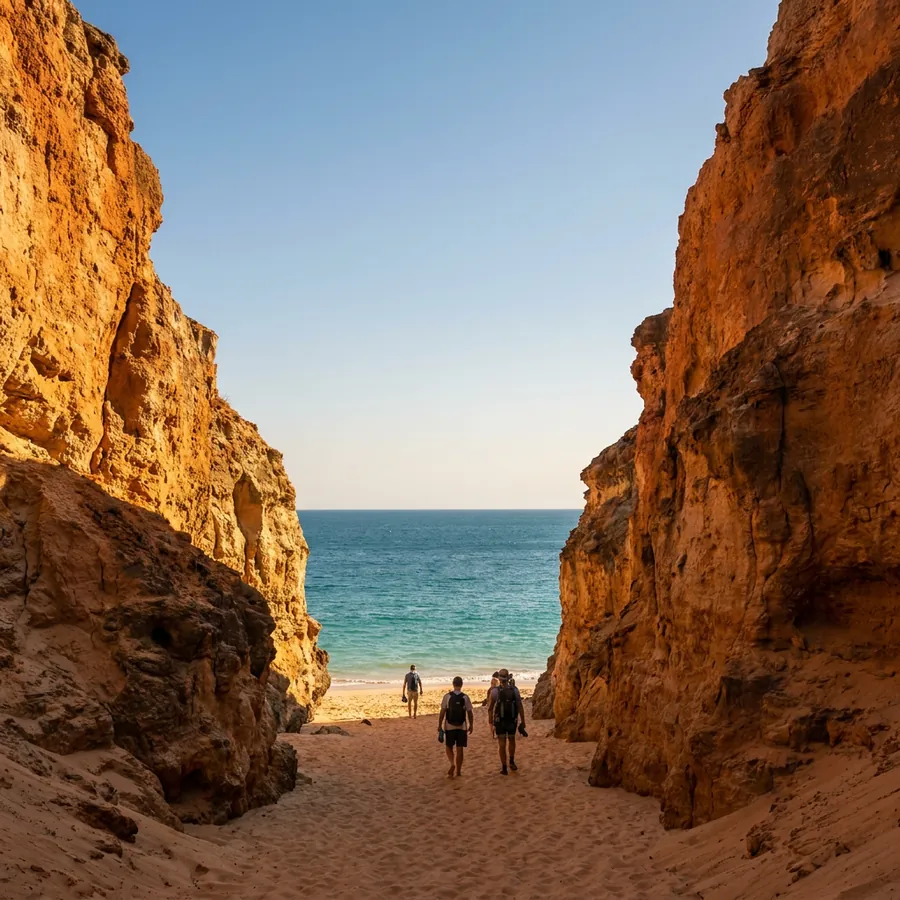
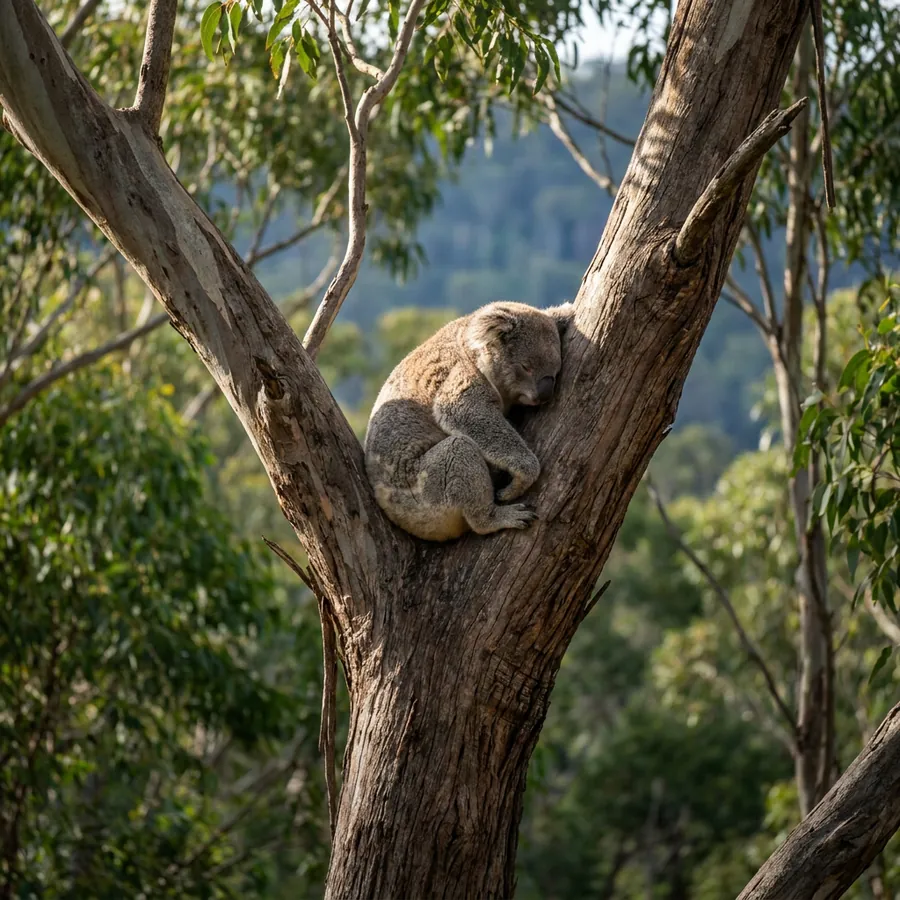
We stop at Kennett River, where koalas sleep in the eucalyptus trees by the road and can be seen from below, without binoculars. Lunch in a surf town, then the part we came for: The Twelve Apostles, limestone columns up to fifty meters high, broken off the cliff by the ocean. Eight remain. We continue to Loch Ard Gorge, a narrow cove between orange walls, and stay for the evening light.
Free morning in Melbourne. In the afternoon we head southeast, towards Phillip Island, two hours from the city.
We pass by the koala conservation center, where we walk on elevated boardwalks at canopy height, and by The Nobbies, wind-beaten rocks with a colony of fur seals offshore.
At sunset, we settle into the stands on Summerland Beach for the penguin parade: hundreds of little penguins — the smallest species in the world, thirty-three centimeters — emerge from the waves in groups and cross the beach towards their burrows. Photography is forbidden, even without flash: the light disorients them.
Three hours and twenty minutes of flight north and the climate changes completely: from the cool spring of Victoria directly into the tropics, at thirty degrees and humidity.
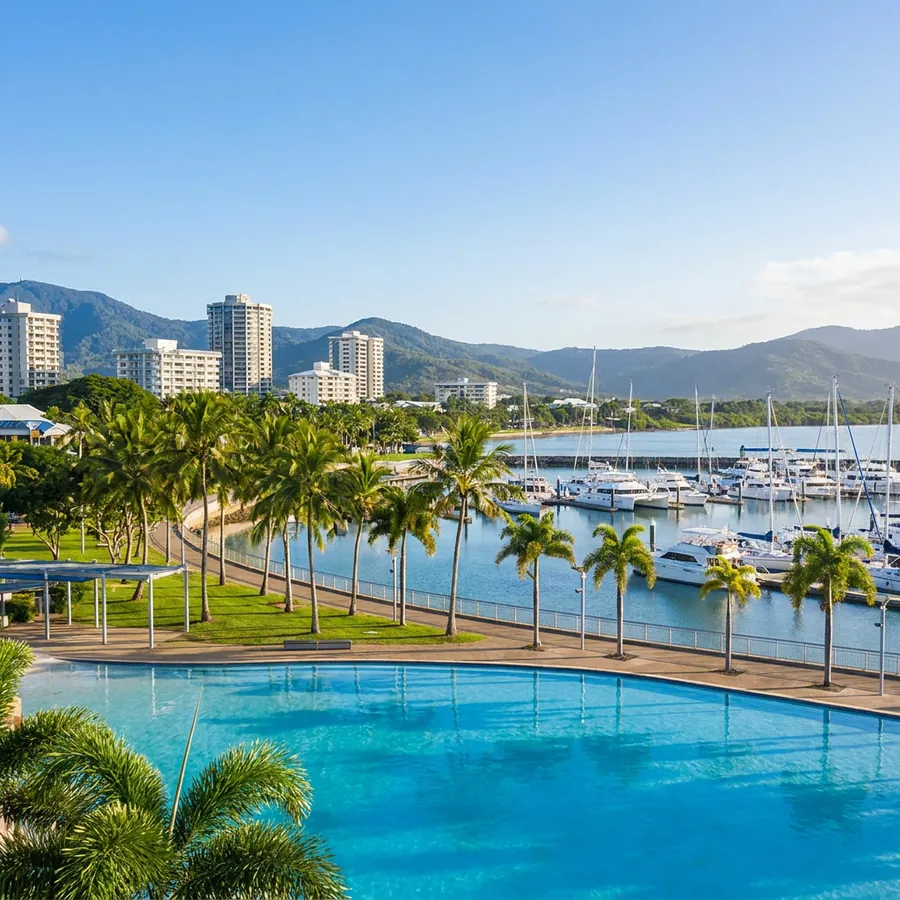
Cairns is a small city, built around departures to the reef. It has no beach — instead, it has an artificial lagoon on the promenade, with filtered water, where one can swim without worrying about crocodiles and jellyfish. The afternoon is free.
The day worth the trip here. Fast catamaran, an hour and a half, to the outer reefs - those offshore, where the coral is healthy and the water is clear.
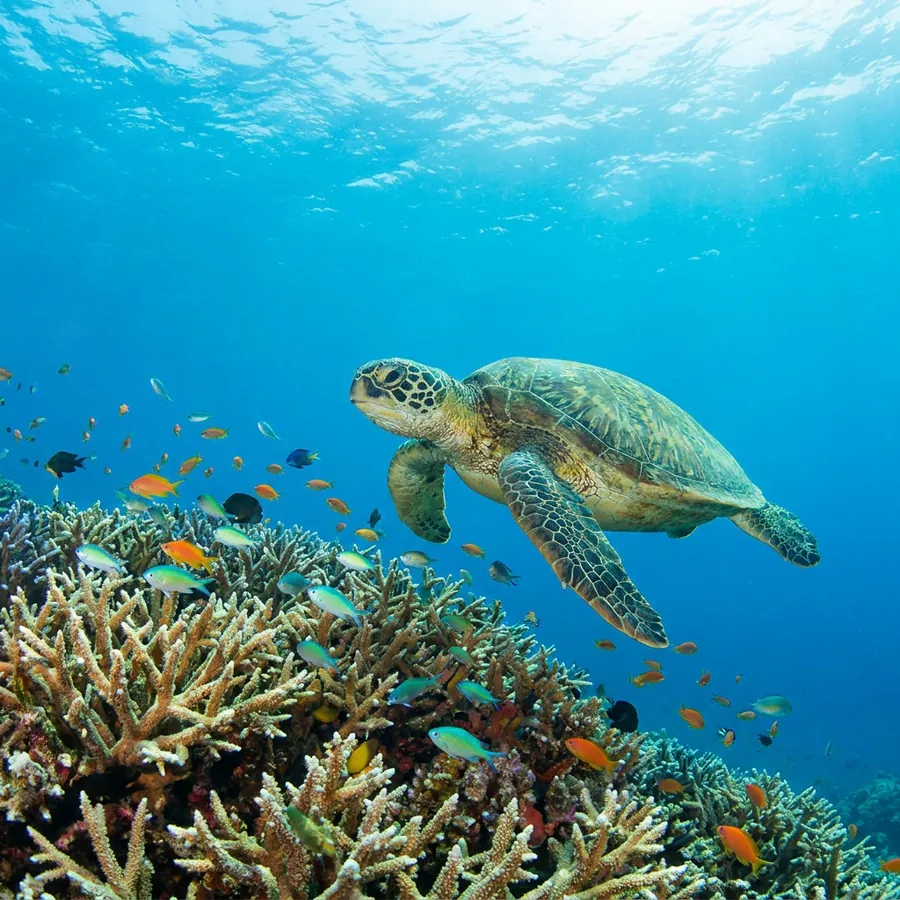
We spend the day on a platform anchored on the reef: snorkeling as much as you want, with equipment and vest included, marine biologist guides in the water, buffet lunch on board. You can see corals of all shapes, parrotfish, entire schools of blue and yellow fish, and almost certainly green sea turtles.
For those who don't want to go in the water, there's a semi-submersible with glass walls, which takes the same route below the surface.
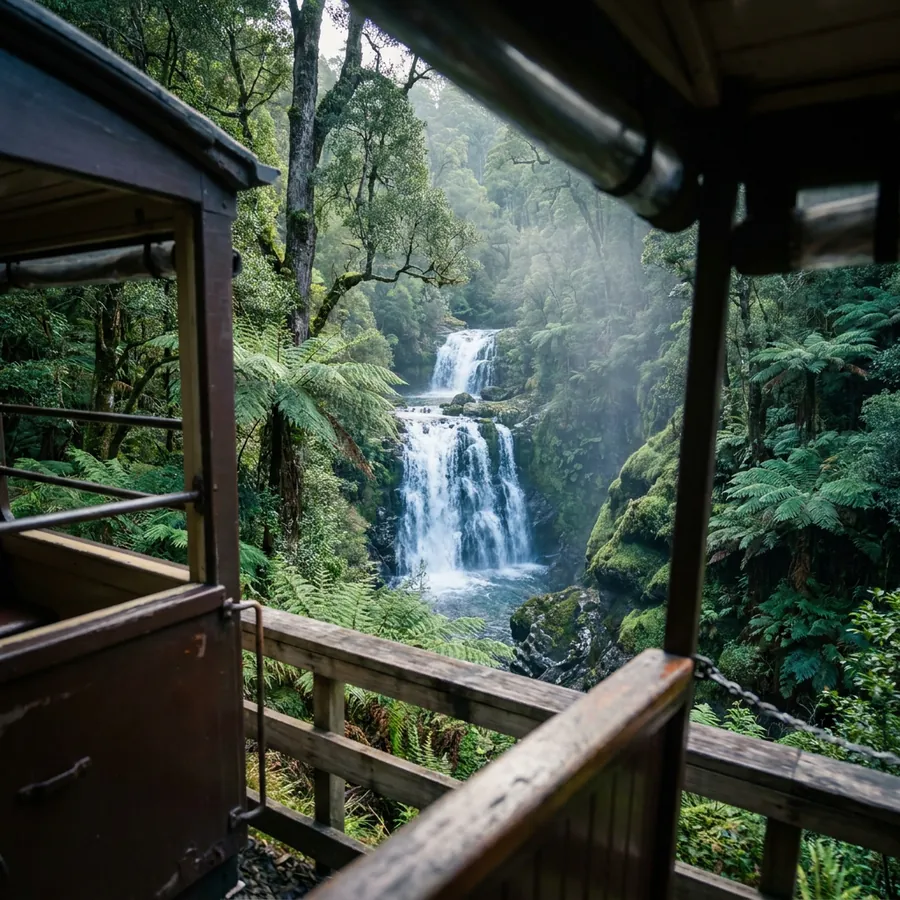
We go up into the mountains with the Kuranda Scenic Railway, the railway dug by hand between 1886 and 1891: one hundred curves, fifteen tunnels, and thirty-seven bridges, all in a one hundred eighty million year old rainforest — older than the Amazon.
The train stops above Barron Falls, which plunges one hundred and fifty meters. In Kuranda, the village at the top, we have time for the craft market and the butterfly park.
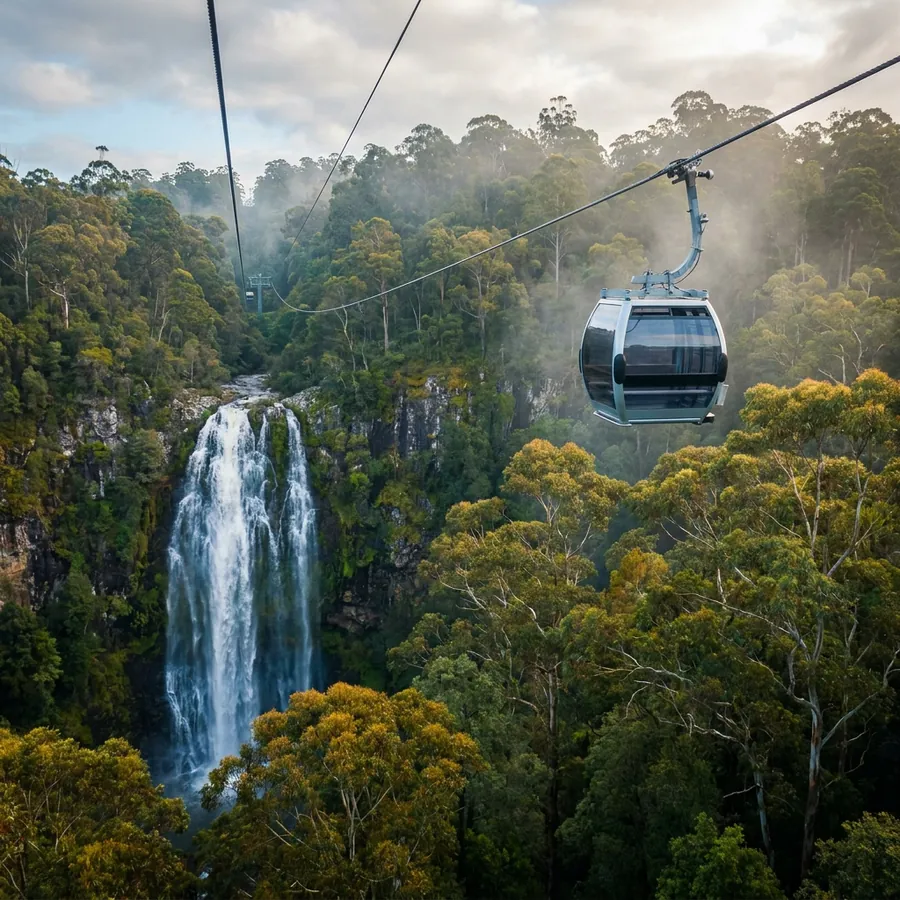
The descent is different: with Skyrail, the seven and a half kilometer gondola that floats right over the forest canopy, with two stops along the way for walkways among the trees.
Three hours of flying south, back into the temperate climate. We check into a hotel near Darling Harbour and go out for our first encounter with the harbor.
Sydney is best understood from the water, not from land: the city is built around a bay with two hundred and fifty kilometers of coastline, and the yellow ferries are common public transport.
In the morning, a guided tour inside the Opera House — the construction took fourteen years instead of four and cost fourteen times more than the budget, and the Danish architect left before completion and never saw his finished building.
We pass through The Rocks, the old quarter beneath the bridge, with sandstone houses from the early years of the colony, and take the ferry across the bay for the best view of the city.
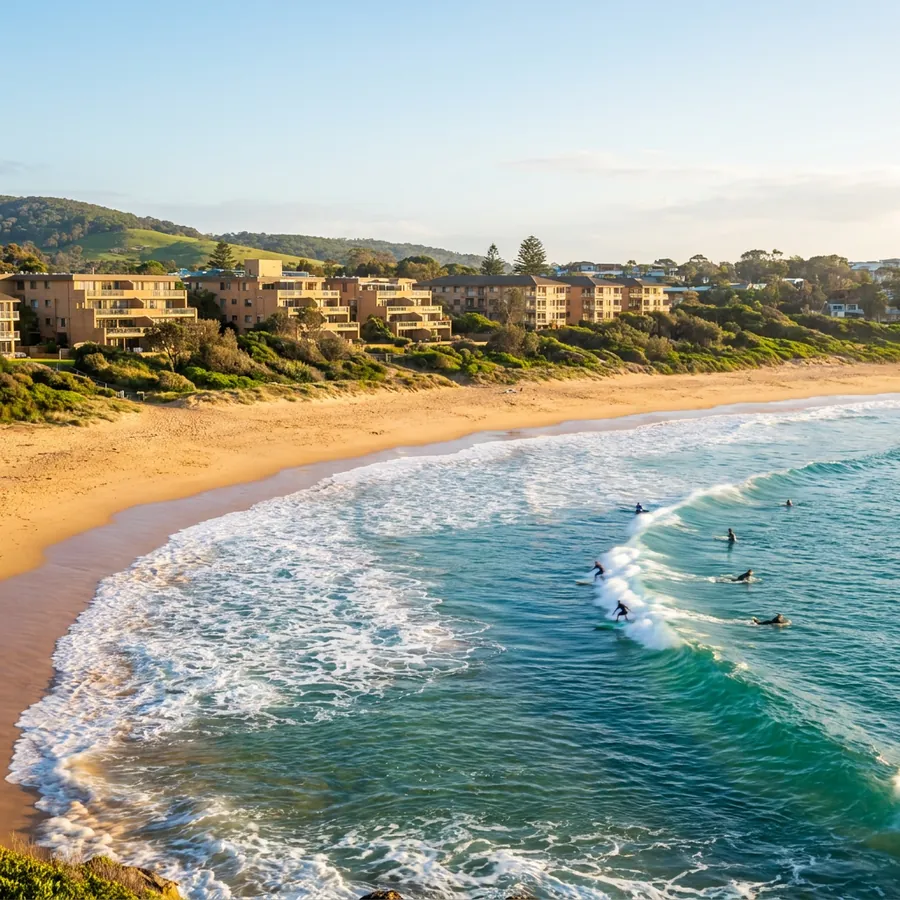
In the afternoon, we go to Bondi and walk along the cliff path to Coogee: six kilometers along the edge of the cliff, past small beaches and rock pools carved into the stone, into which the waves crash.
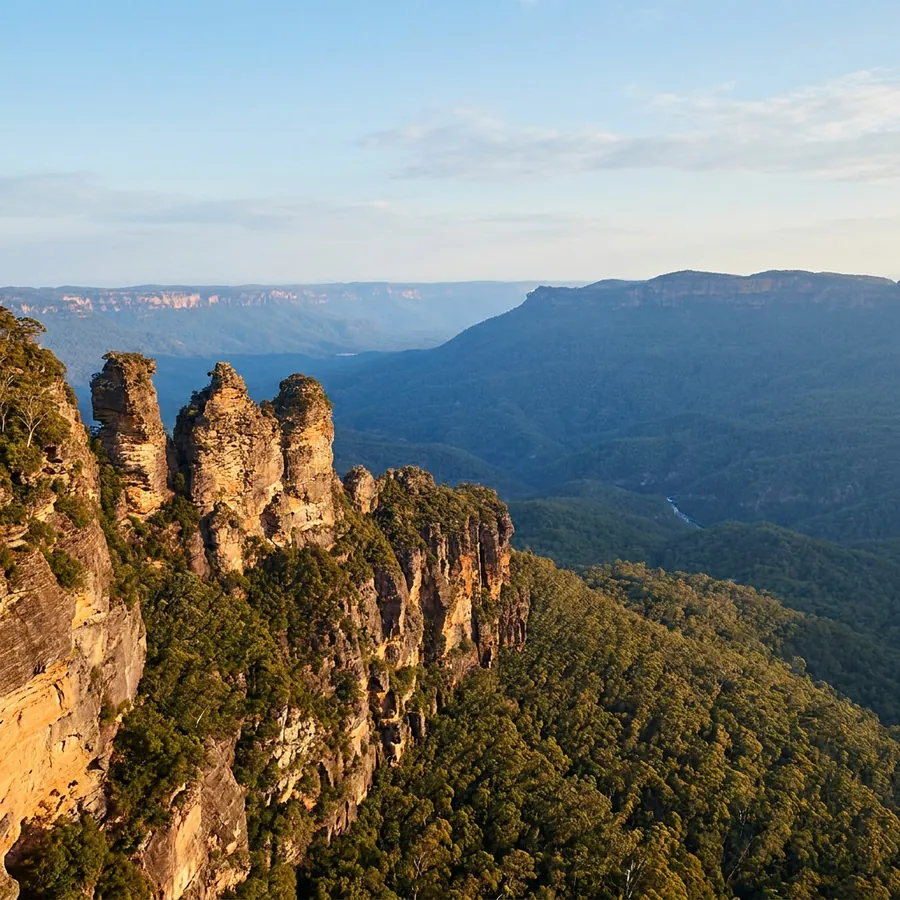
Two hours west and we enter a sandstone plateau broken by deep valleys, covered with eucalyptus forest. Eucalyptus releases so much volatile oil that the light scatters into blue — the mist between the ridges is actually blue, hence the name.
We stop at the Three Sisters, three sandstone towers on the edge of the Jamison Valley, and descend with the Scenic Railway, the steepest passenger railway in the world: fifty-two degrees inclination. Down below we take a walk through the forest, on walkways, and go back up with the cable car suspended over the valley.
Three hours of flight over the Tasman Sea and two time zones ahead. We land in Auckland, the city with the most sailboats per capita in the world — hence the nickname, City of Sails.
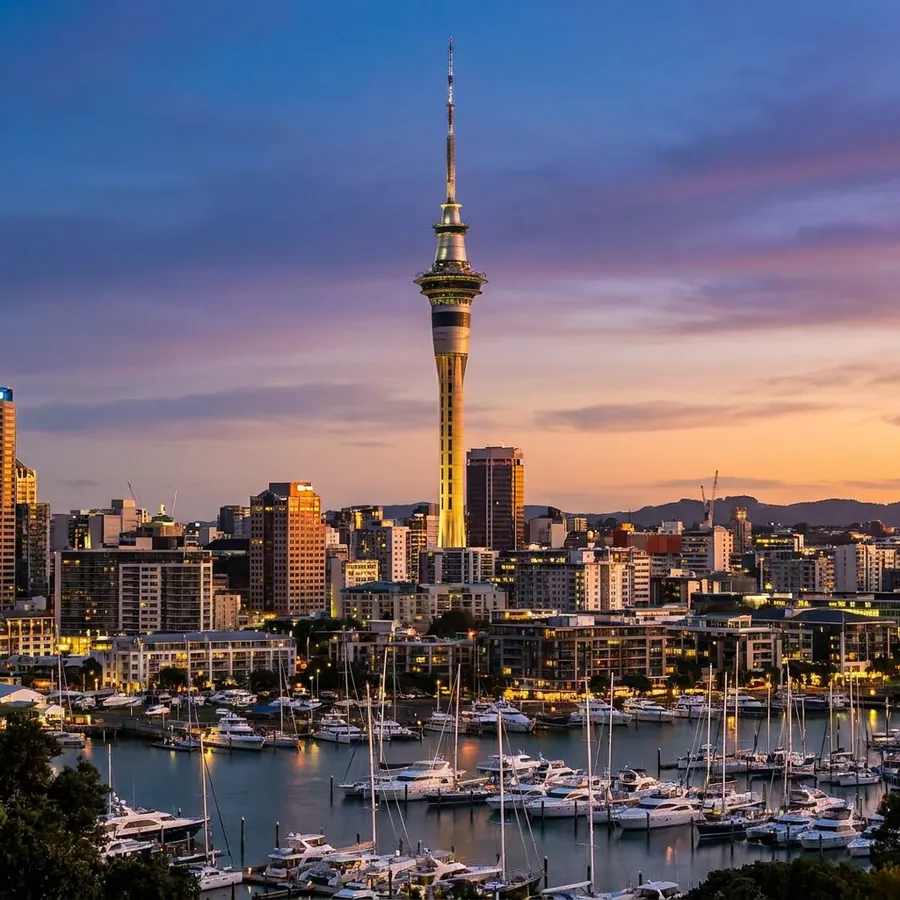
The city is built on fifty-three extinct volcanic cones. In the afternoon we climb the Sky Tower, the three hundred and twenty-eight meter tower, and go down to Viaduct Harbour, the yacht port where dinner is eaten.
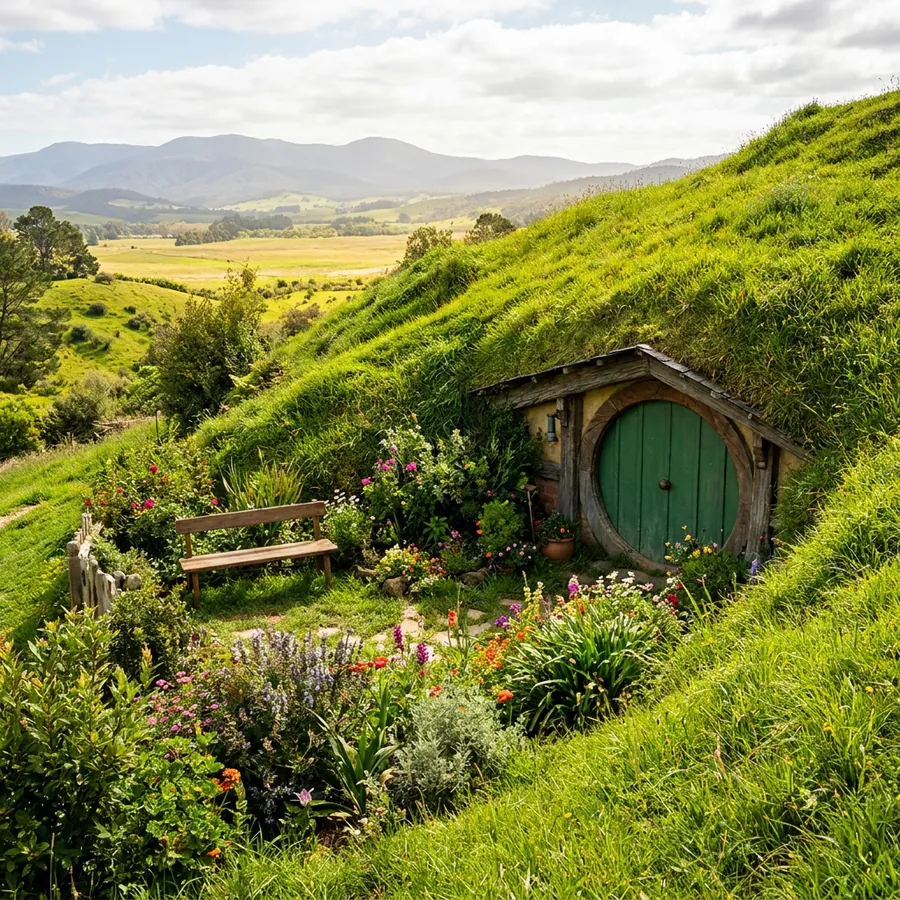
We head south through Waikato, the pasture land where there are more sheep than people. In Hobbiton we enter the village built for filming on a sheep farm and kept intact afterwards: forty-four round doors in the hill, carefully tended gardens scaled, the lake with the mill and the stone bridge.
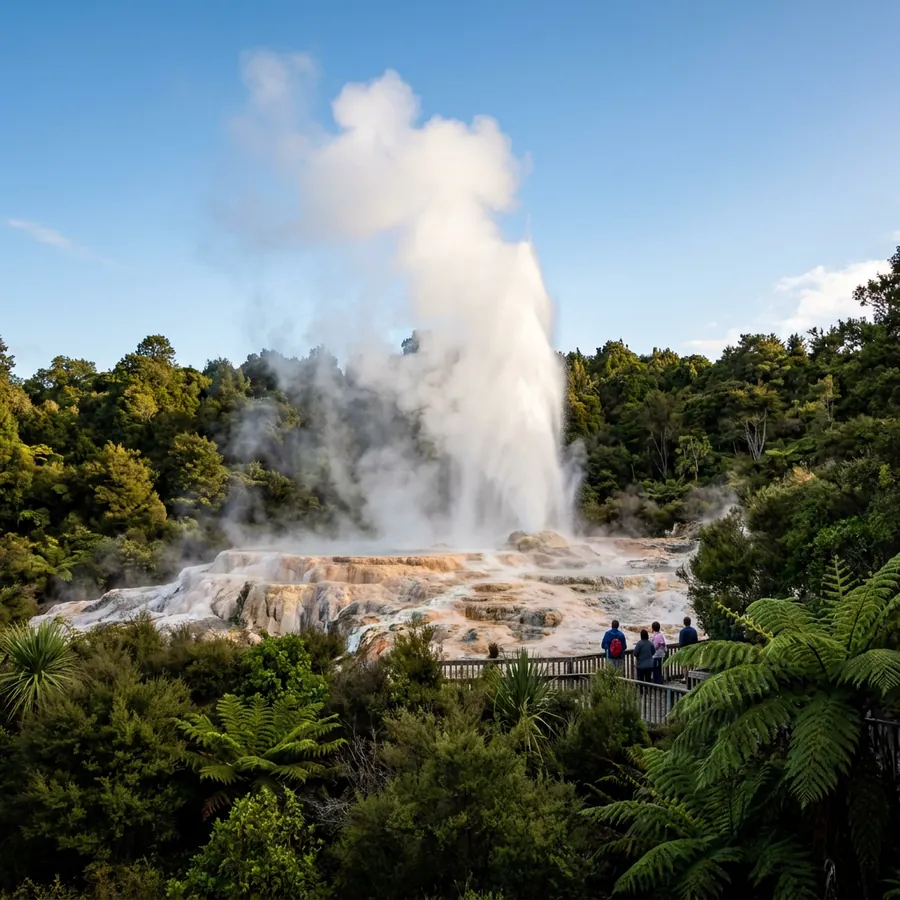
We continue to Rotorua, the city located over an active geothermal field — you can feel it from the entrance, it smells of sulfur, and steam comes out of canals and yards. At Te Puia we see the Pohutu geyser, which erupts up to twenty times a day, up to thirty meters high.
In the evening, a hangi meal — meat and vegetables cooked for hours in the ground, on hot stones — and a Maori show, with haka.
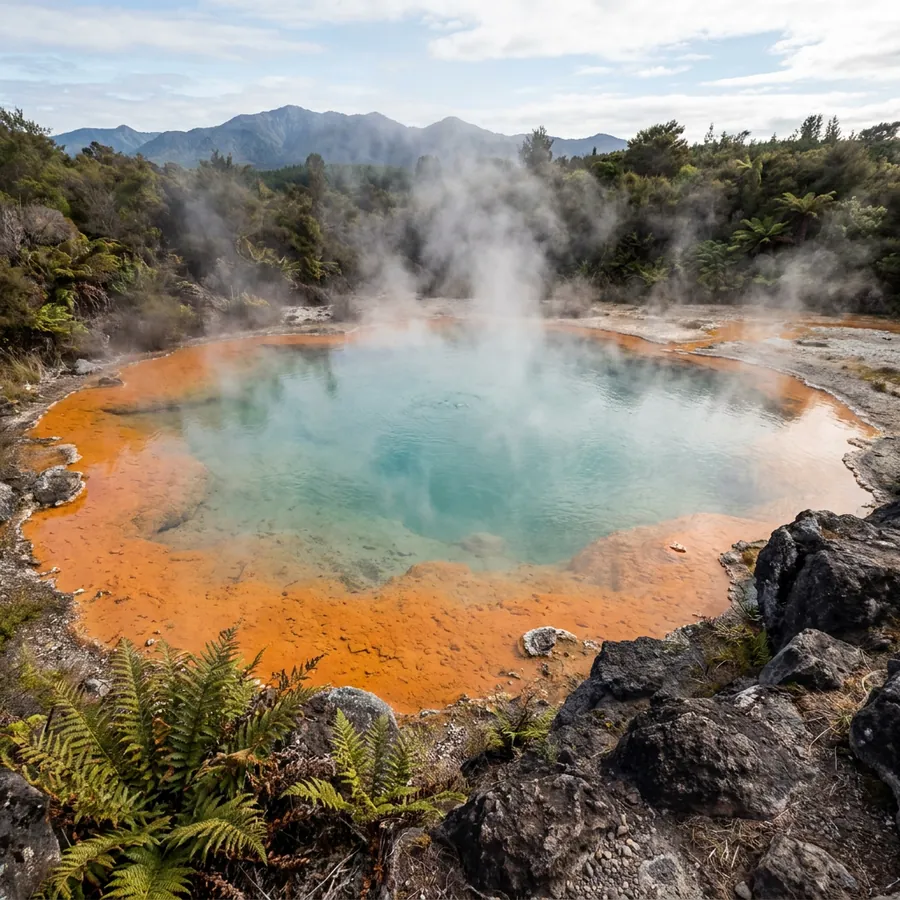
Early in the morning we go to Wai-O-Tapu, the most colorful geothermal area in the country. Champagne Pool is sixty-five meters in diameter, boils at 74°C and has bright orange edges from arsenic and antimony deposits. Next to it, a fluorescent green lake and bubbling craters.
In the afternoon we fly to the South Island. The landing in Queenstown is one of the most spectacular in the world: the plane descends through mountains, turns over Lake Wakatipu and touches down on the runway in a valley enclosed by peaks.
The longest and most beautiful day. We leave early, next to Te Anau lake, and enter Fiordland National Park. The road climbs through the Eglinton Valley, between silver beeches and granite walls, passes by Mirror Lakes and enters the Homer Tunnel, one kilometer and two hundred meters carved through the mountain, with a single lane of traffic.
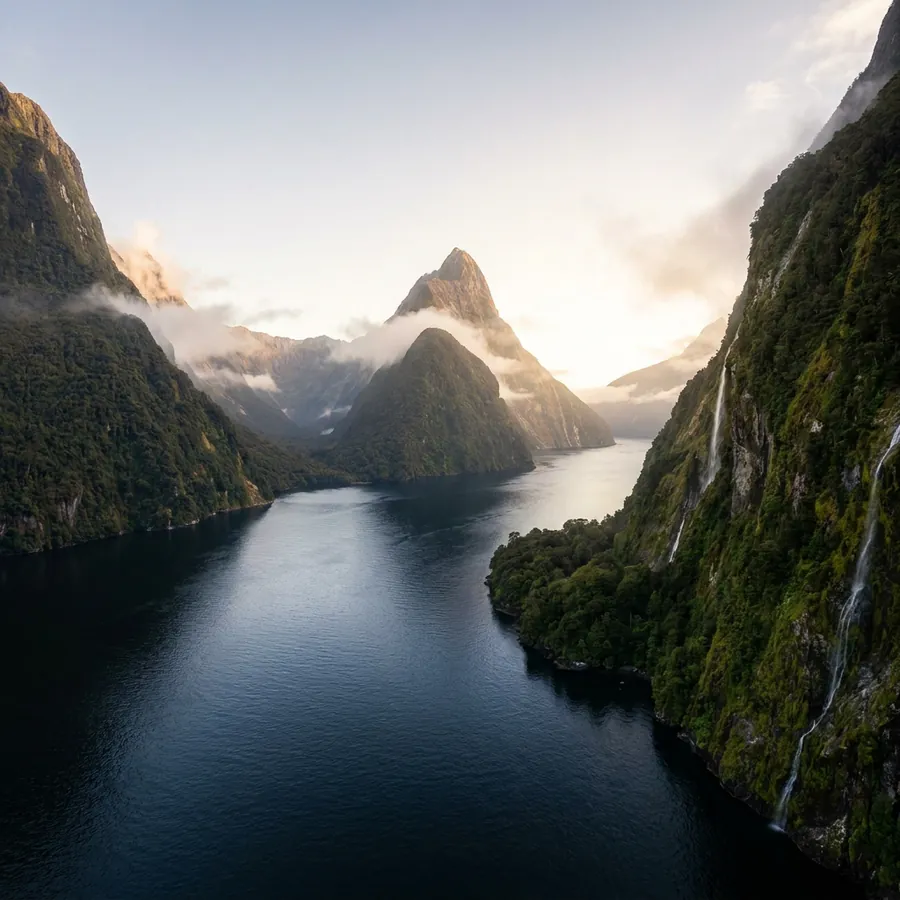
On the other side, we descend into the fiord. Two-hour cruise on the water, under Mitre Peak — one thousand six hundred ninety-two meters rising directly from the sea — and under the Stirling and Bowen waterfalls, which fall one hundred sixty meters. The boat goes right under them. Seals sit on the rocks, and sometimes dolphins and penguins appear.
Rudyard Kipling called the place the eighth wonder of the world. It rains here two hundred days a year, and that is precisely why the waterfalls are always full.
The morning is free in Queenstown — the city is the adventure sports capital of the Southern Hemisphere, and the optional activities below all depart from here.
At noon we head north, over Lindis Pass, through hills covered with golden tussock grass. We stop at Lake Pukaki, opaque turquoise from glacial flour — rock dust ground by glaciers, so fine that it remains suspended in the water and scatters light.
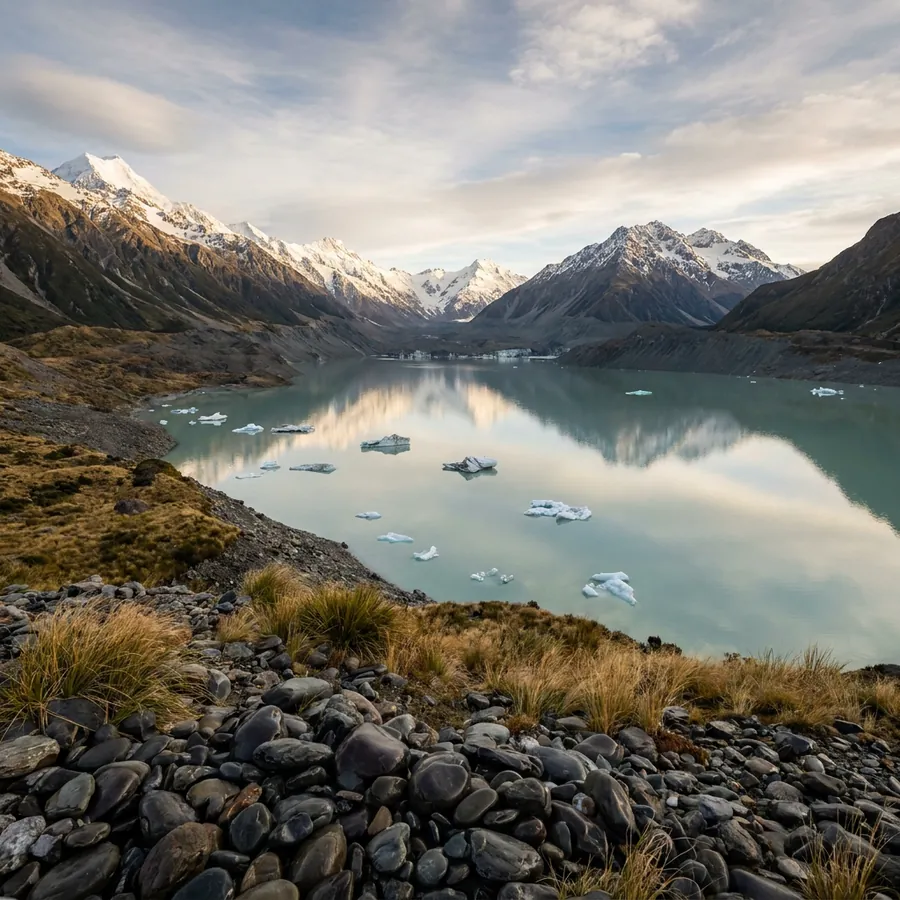
We sleep in the only village in the national park, at the foot of Aoraki, three thousand seven hundred twenty-four meters. In the afternoon we walk the Hooker Valley Track: three hours round trip, flat path, three suspension bridges over the river, and at the end a glacial lake with icebergs floating under the north face. In the evening light it's the best part of the day.
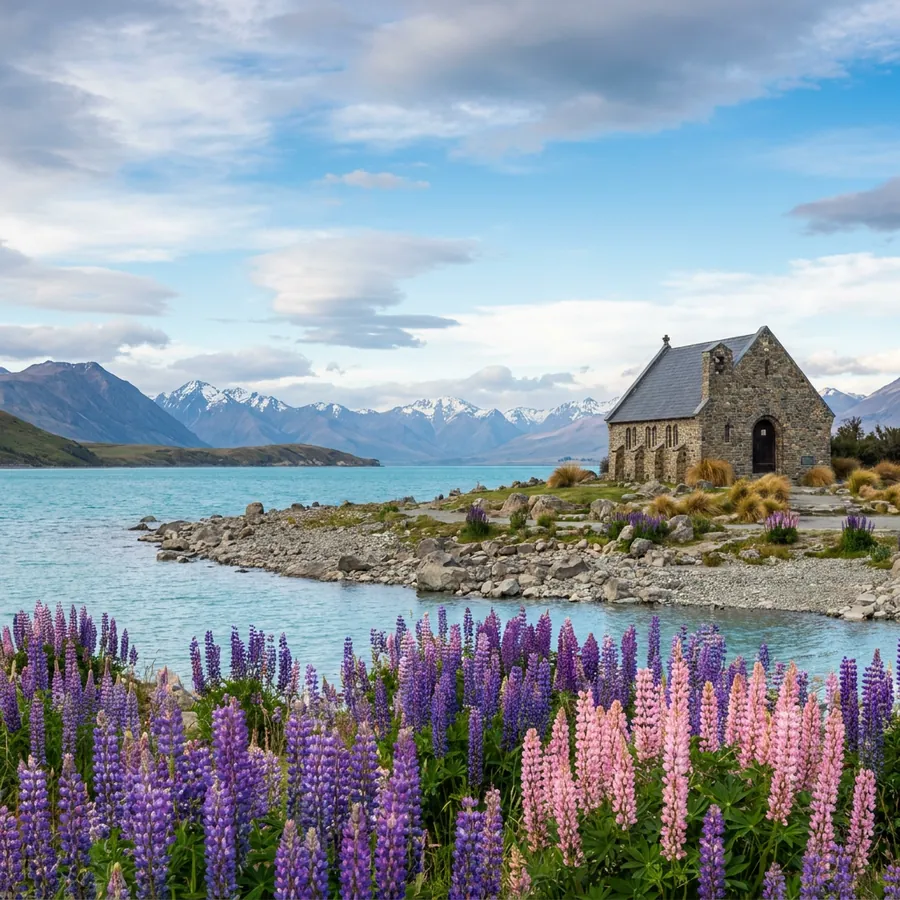
We descend to Lake Tekapo, of the same impossible turquoise as Pukaki. On the shore is the Church of the Good Shepherd, a stone chapel from 1935 where the window behind the altar has no stained glass: it looks directly onto the lake and the mountains. The area is an international dark sky reserve — among the best places on the planet for stars.
We continue towards Christchurch, the city rebuilt after the 2011 earthquake, with the cardboard cathedral by architect Shigeru Ban. In the evening, we board our flight home.
We fly west and regain the day lost on the way there. We land in Otopeni at noon.
Hotels
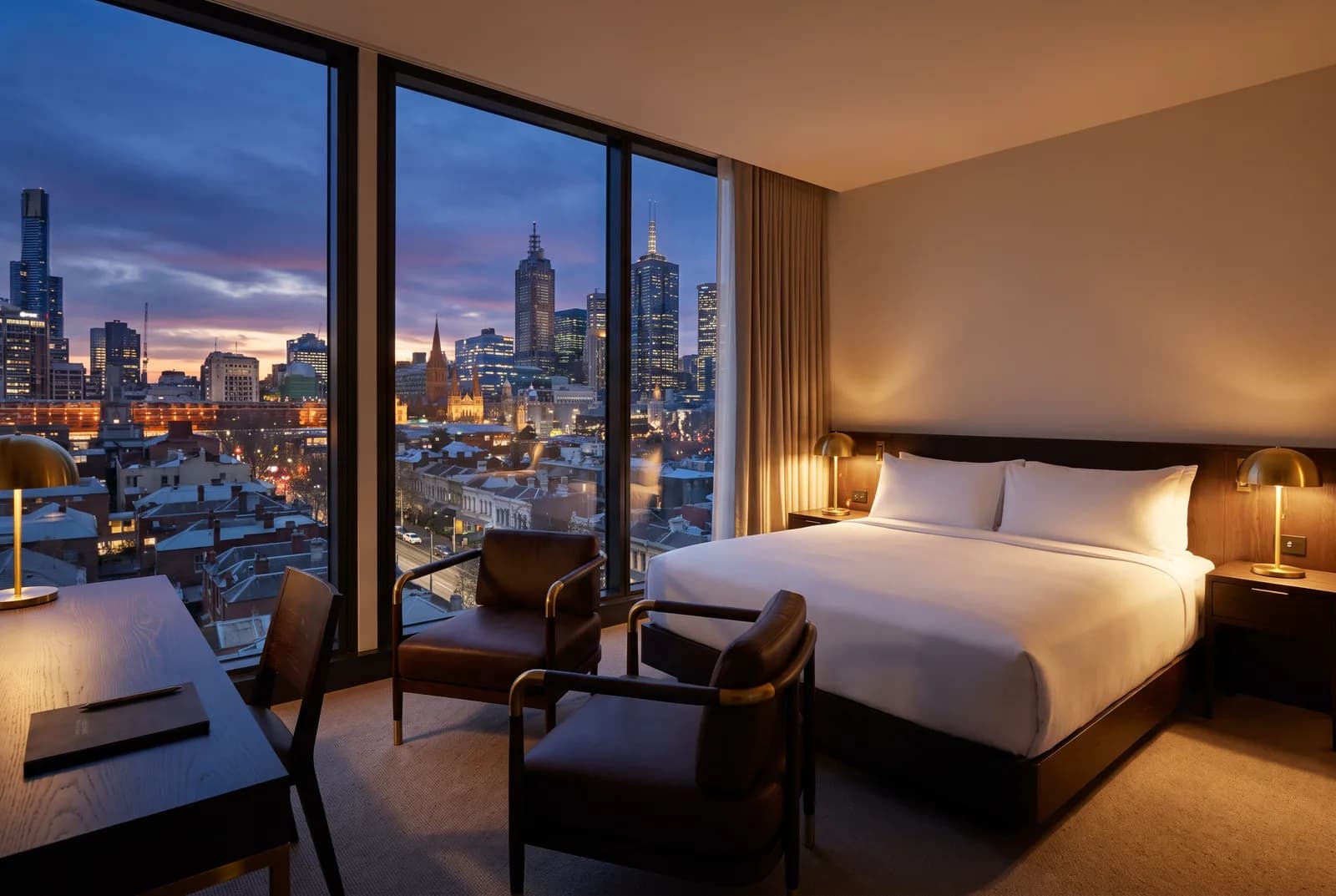
Rydges Melbourne
Four-star hotel on Exhibition Street, in the theatre end of the city center: a few minutes' walk from Bourke Street, Chinatown and Parliament Station. Heated indoor pool, restaurant and private bar.
The mentioned hotel or a similar one, of the same category. Final confirmation is made upon registration.
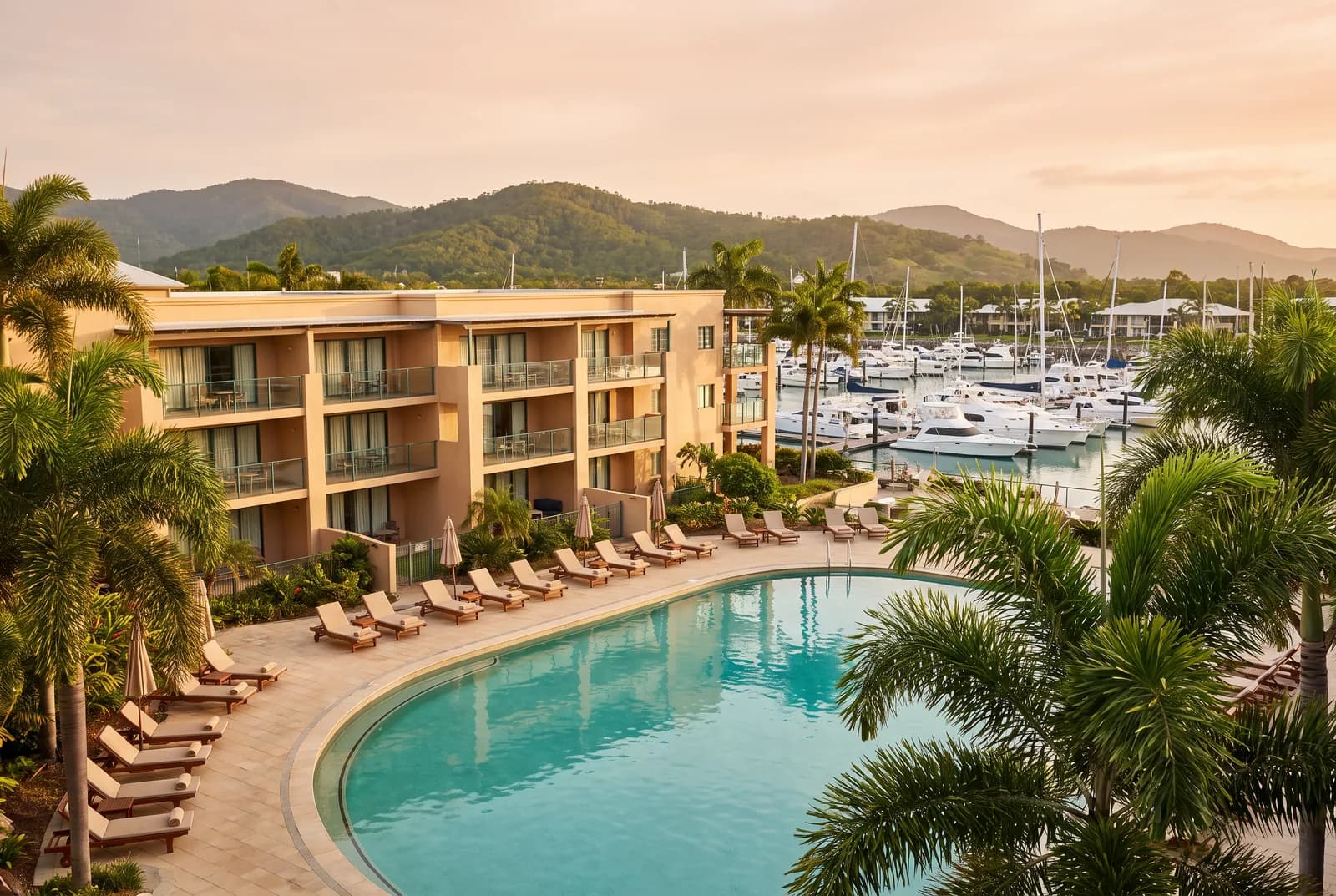
DoubleTree by Hilton Cairns
Hotel on the Cairns Esplanade, with an outdoor pool among palm trees and views of the bay and forested hills. The harbor from which boats depart for the reef is a ten-minute walk away.
The mentioned hotel or a similar one, of the same category. Final confirmation is made upon registration.
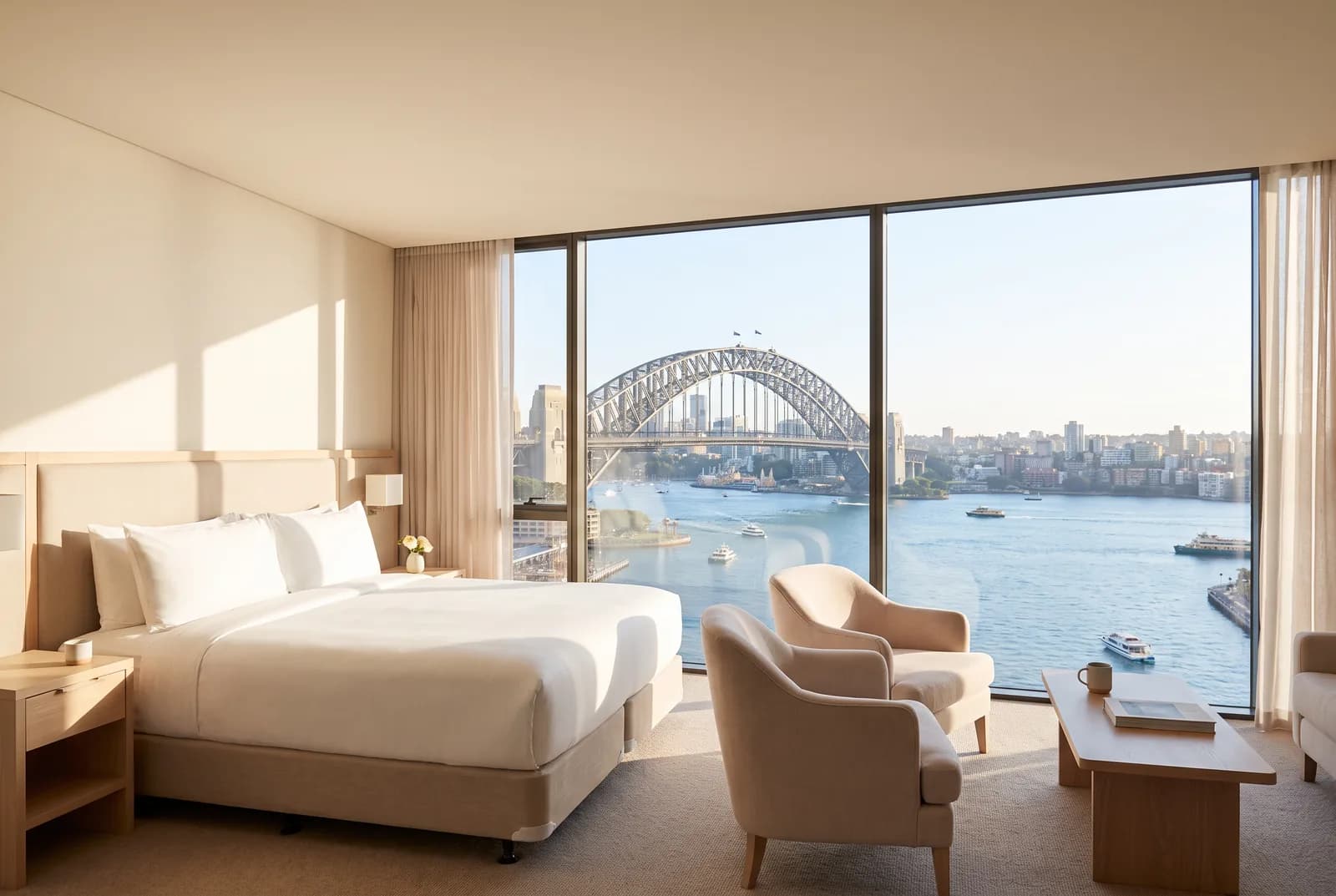
Novotel Sydney Darling Harbour
Hotel with outdoor pool and sports grounds, a few minutes from Darling Harbour and the aquarium. Circular Quay and the Opera House are a twenty-minute walk along the waterfront or three tram stops away.
The mentioned hotel or a similar one, of the same category. Final confirmation will be made upon registration.
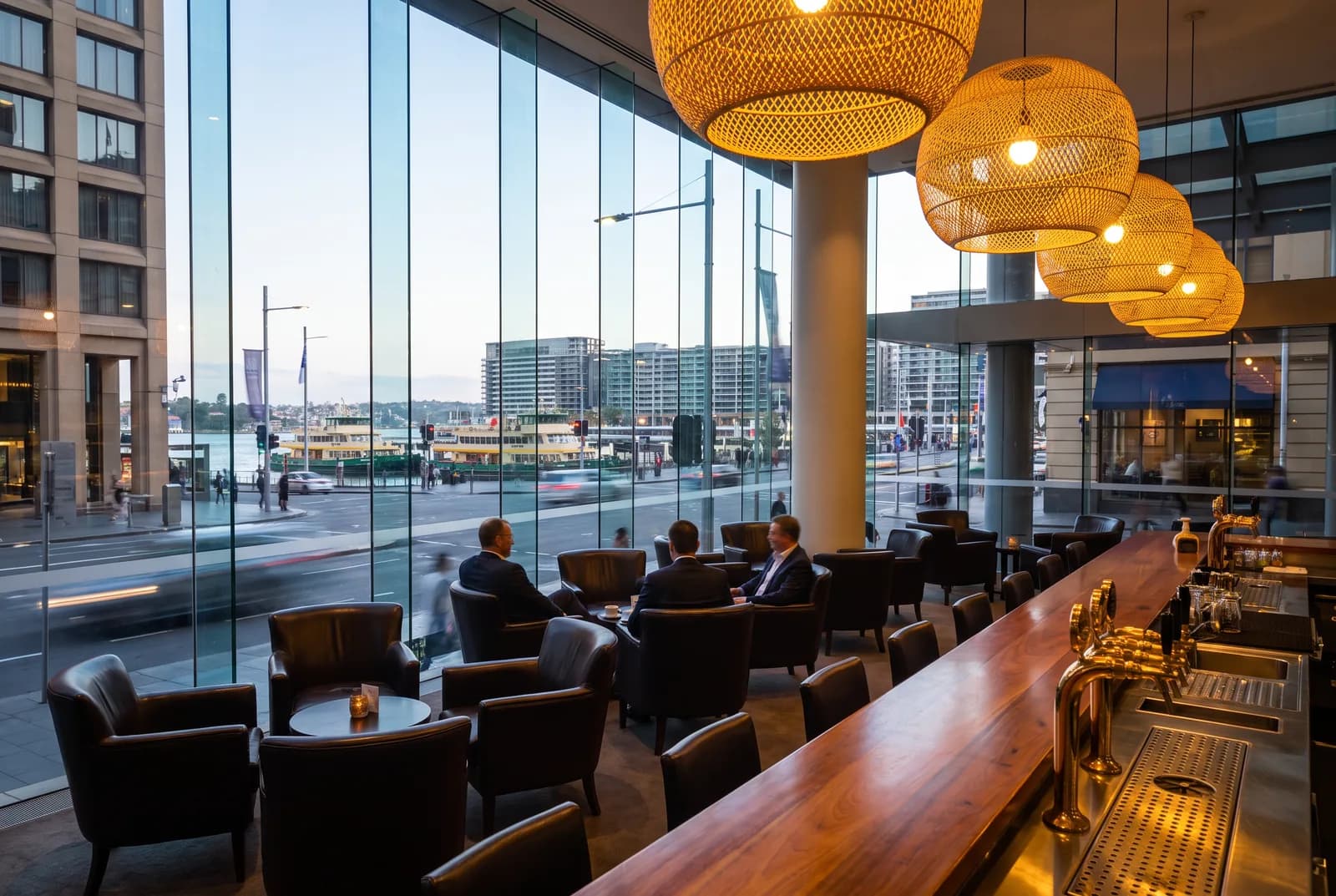
Crowne Plaza Auckland
Hotel in the city center, on Albert Street, a five-minute walk from Sky Tower and ten from the yacht harbor. A convenient spot for a single night between two flights.
The mentioned hotel or a similar one of the same category. Final confirmation will be made upon registration.
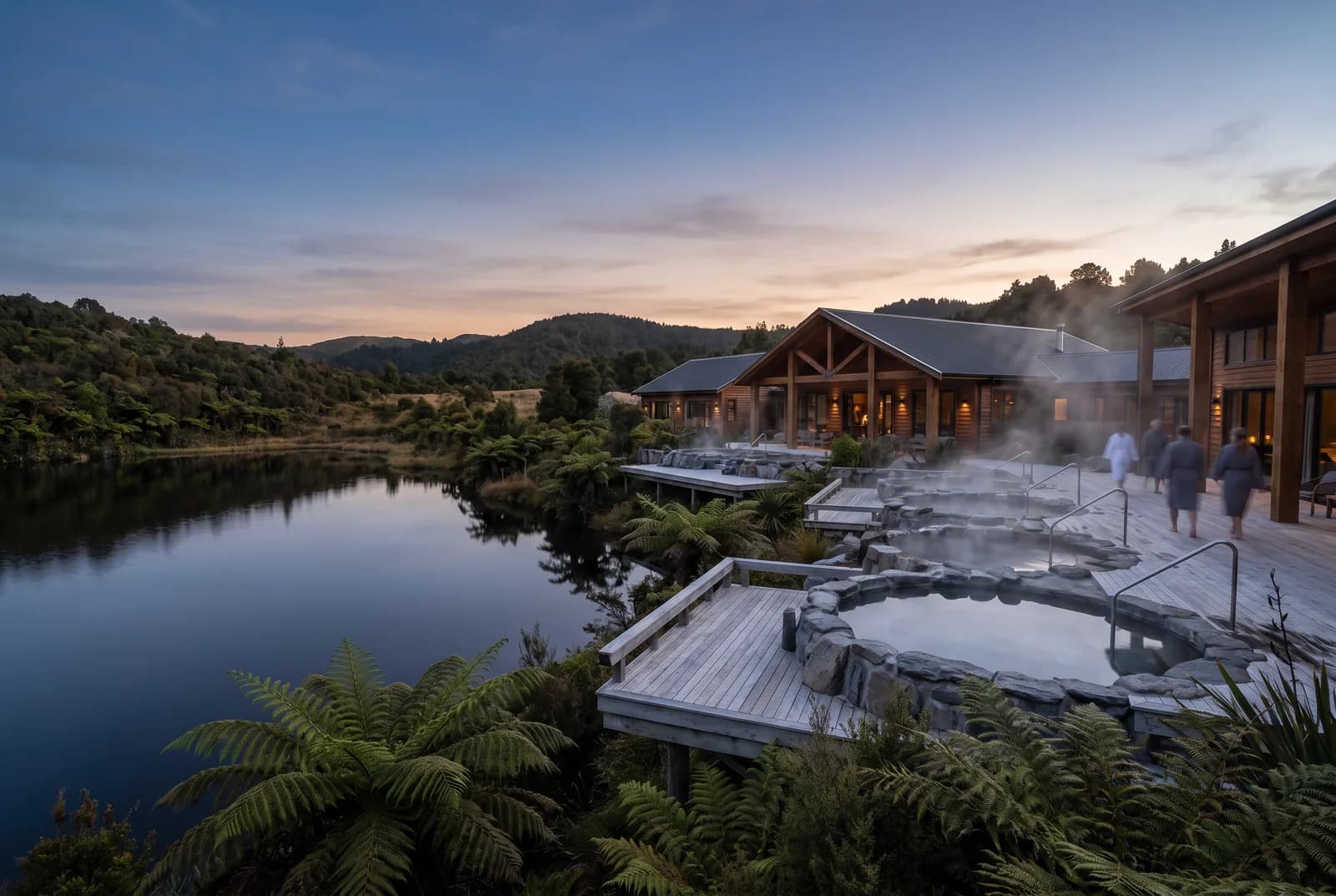
Novotel Rotorua Lakeside
Hotel right on the shore of Lake Rotorua, with natural thermal pools and an indoor swimming pool. Across the street is the redeveloped waterfront, and Eat Streat, the covered restaurant street, is two minutes away.
The mentioned hotel or a similar one of the same category. Final confirmation is made upon registration.
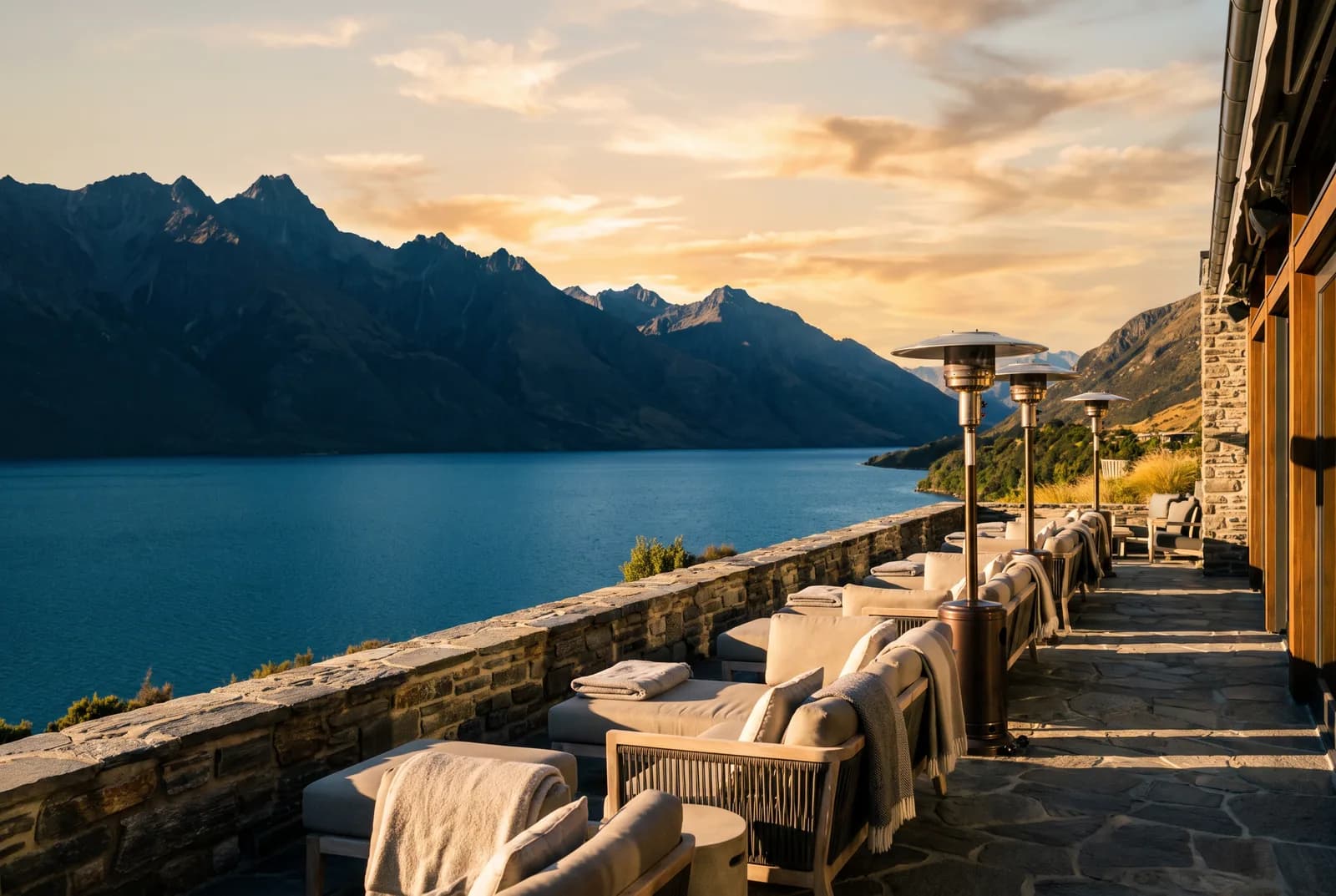
Copthorne Hotel & Resort Queenstown Lakefront
Lakeside hotel on Lake Wakatipu, with a sixth-floor restaurant facing the water and the Remarkables mountain range, and two hot tubs. Queenstown city center is a fifteen-minute walk along the lake.
The mentioned hotel or a similar one, of the same category. Final confirmation is made upon registration.
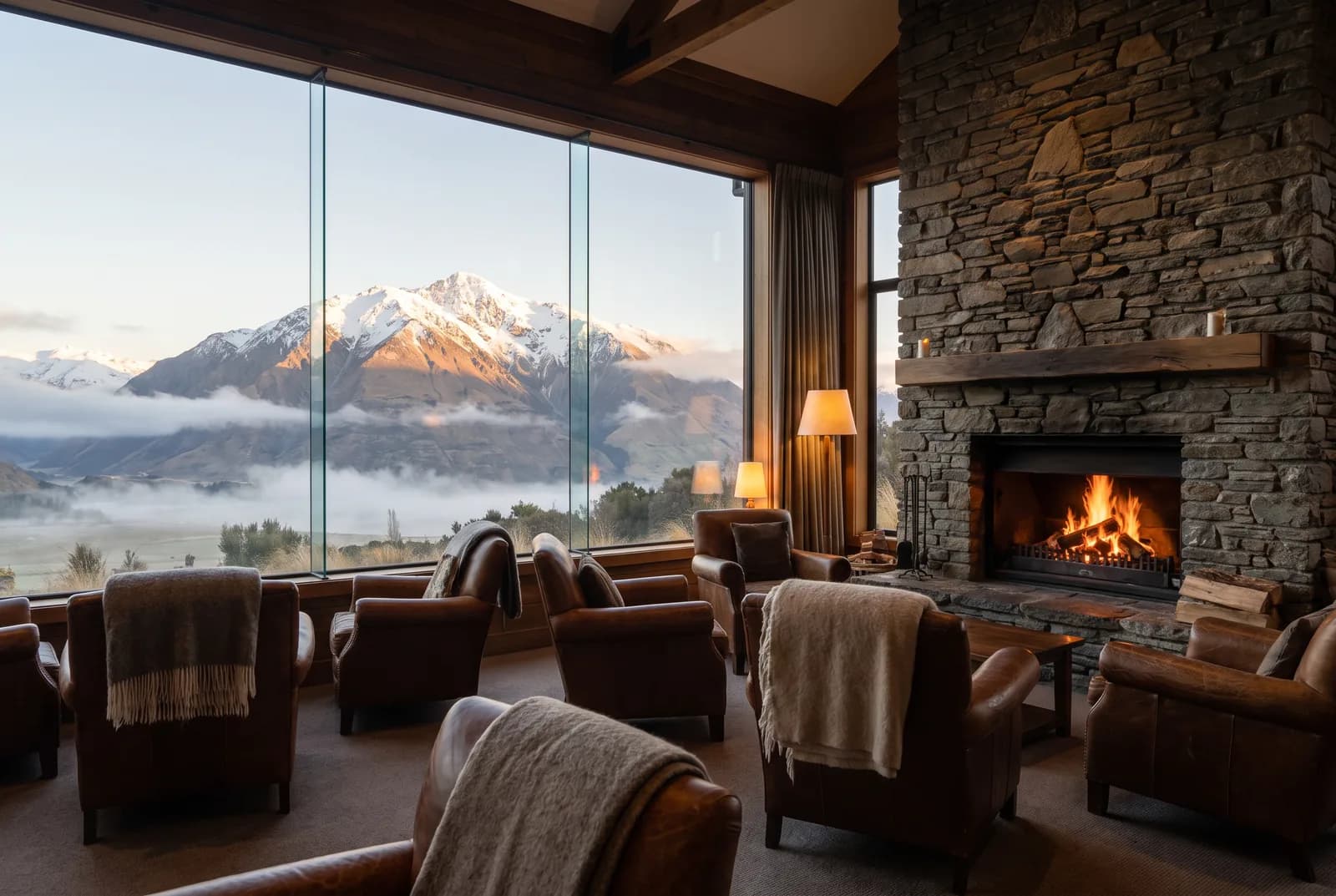
The Hermitage, Aoraki / Mount Cook
The only hotel in the village located in the national park, at the foot of New Zealand's highest peak. The rooms and lounge look directly towards Aoraki, and the trail to Hooker Valley is a ten-minute drive away. The building also houses the Edmund Hillary Center, where he trained before Everest.
The hotel mentioned or a similar one of the same category. Final confirmation will be made upon registration.
Optional Activities
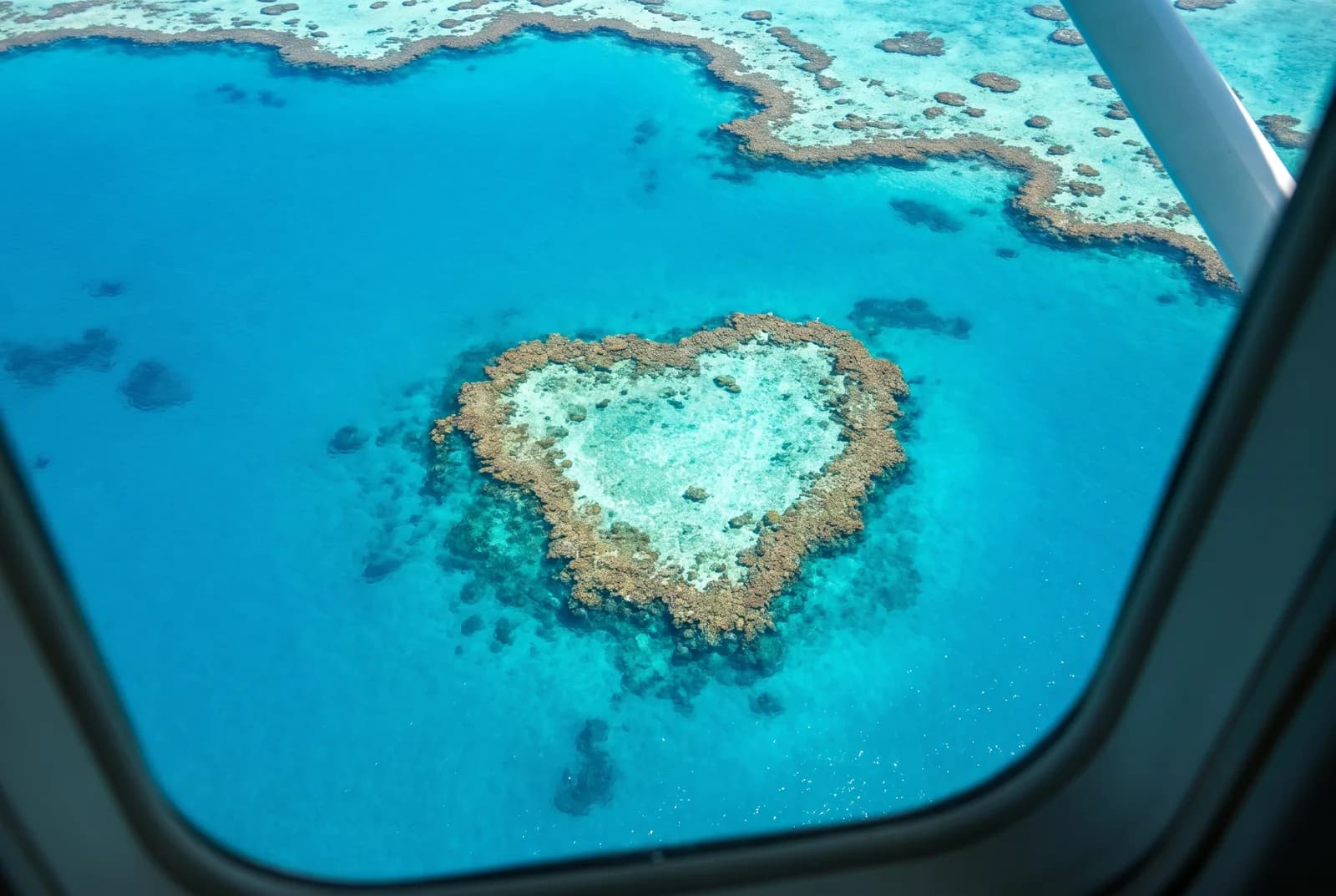
Scenic flight over the Great Barrier Reef
- Seaplane or helicopter, 40-60 minutes
- Passage over Heart Reef
- Guaranteed window seat
- Hotel transfer
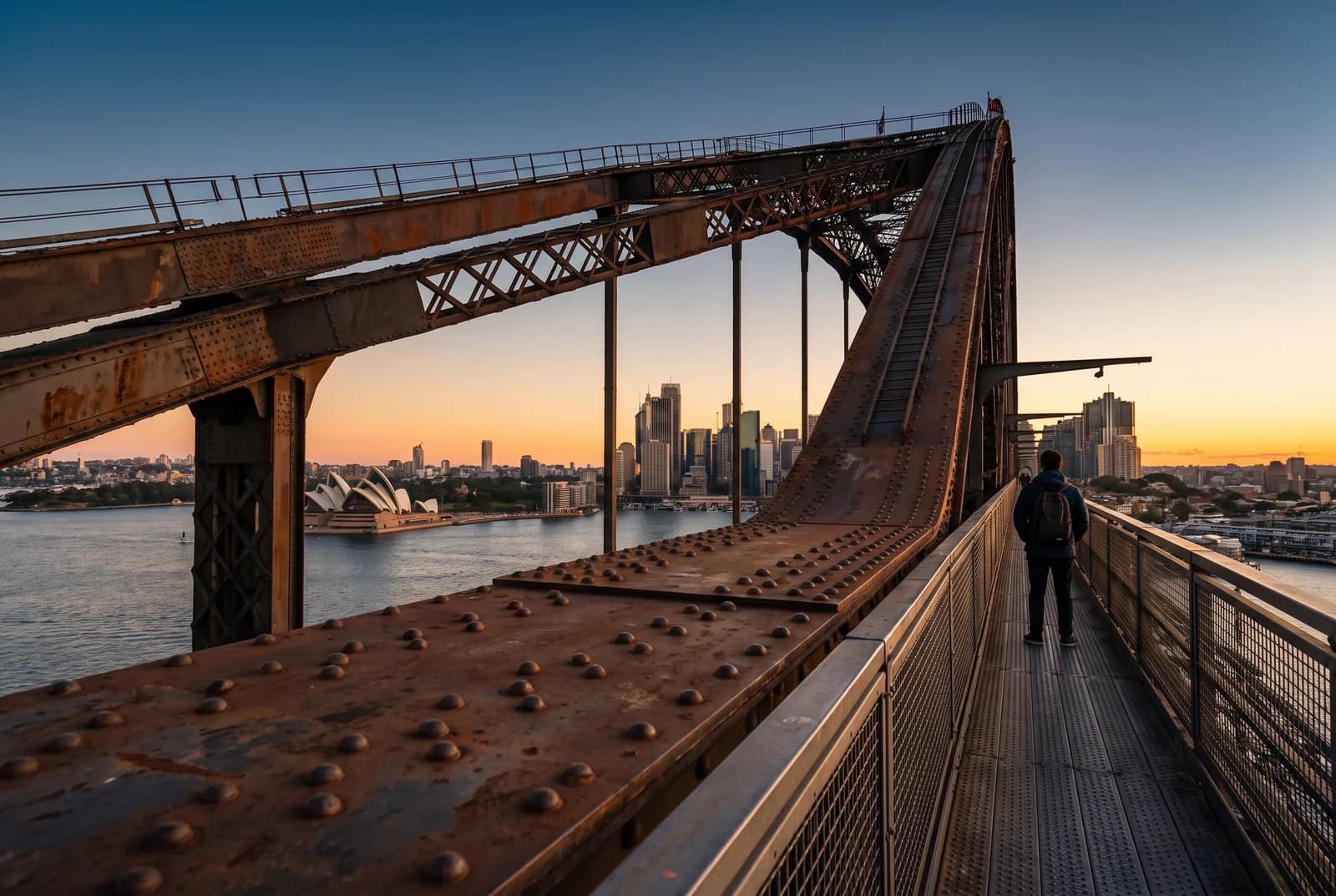
BridgeClimb: climbing the Harbour Bridge
- Three and a half hours, with guide
- Equipment and harness included
- 1,332 steps up to 134 m
- Photos from the operator
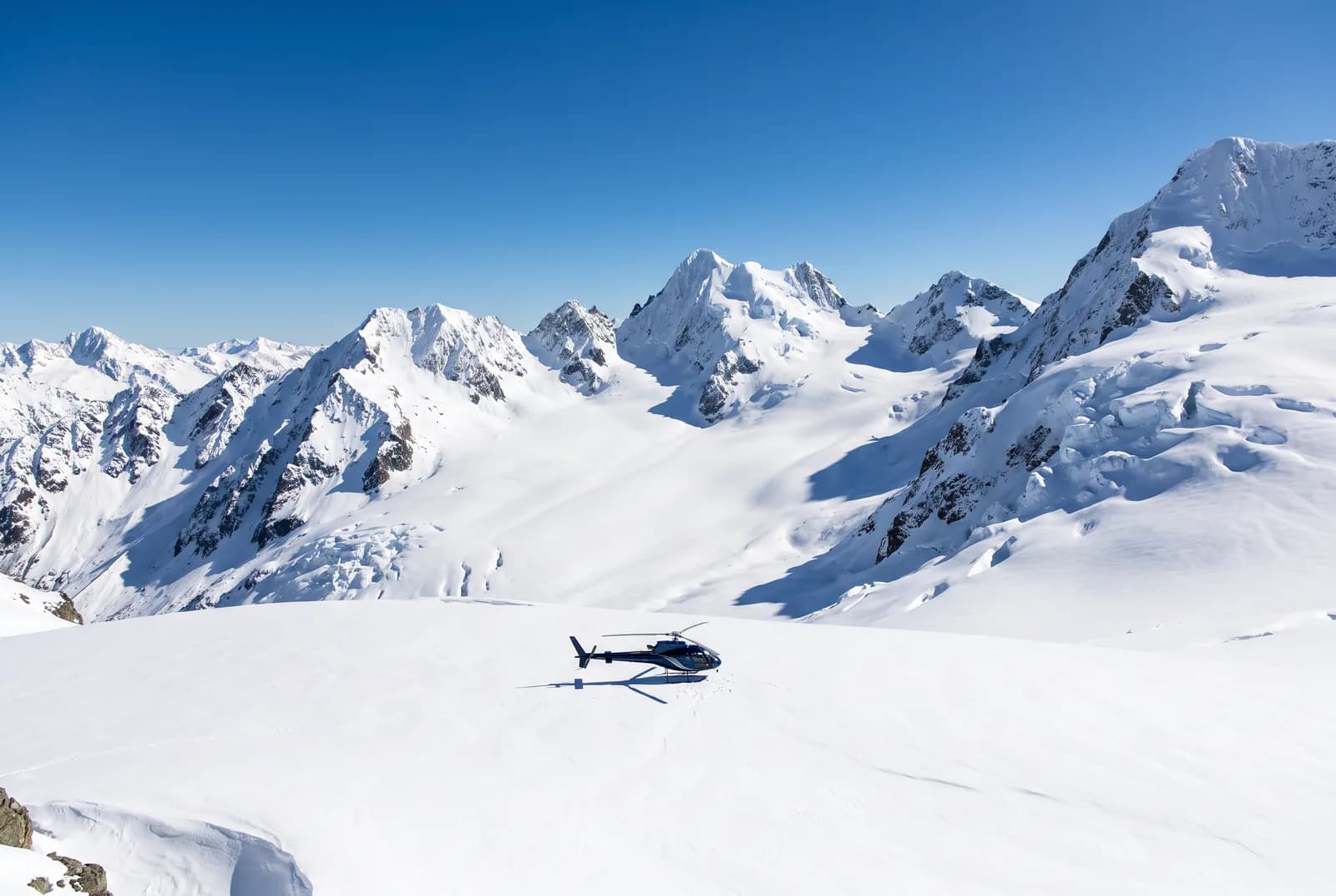
Helicopter over the Southern Alps, with glacier landing
- Approximately 45 minutes of flight
- Snow landing, over 2,000 m
- Views of Aoraki and Mount Aspiring
- Departure from Queenstown
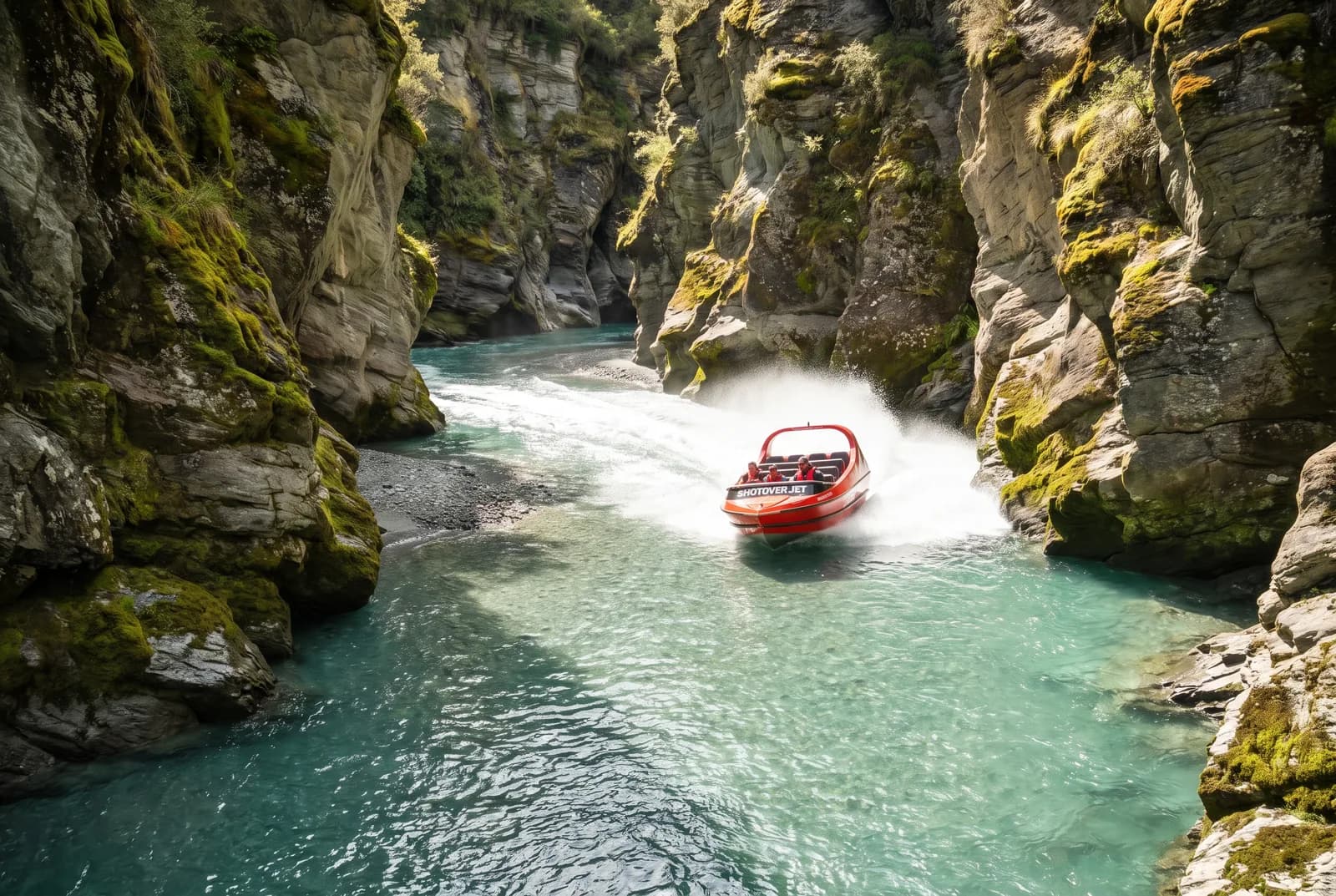
Jetboat on the Shotover River
- 25 minutes on the water
- Narrow canyon, a few meters from the rock
- Full 360° spins
- Poncho and vest included
Flights
Flight details included in the package
Qatar Airways
QR 226 + QR 906
OTP
Bucharest
15:35
DOH
Doha
21:05
DOH
Doha
23:50
MEL
Melbourne
21:35+1
Qantas
QF 782
MEL
Melbourne
09:30
CNS
Cairns
11:50
Qantas
QF 923
CNS
Cairns
10:15
SYD
Sydney
14:20
Air New Zealand
NZ 108
SYD
Sydney
09:40
AKL
Auckland
14:45
Air New Zealand
NZ 623
AKL
Auckland
14:00
ZQN
Queenstown
16:00
Air New Zealand / Qatar Airways
NZ 548 + QR 921 + QR 225
CHC
Christchurch
17:00
AKL
Auckland
18:25
AKL
Auckland
21:15
DOH
Doha
04:45
DOH
Doha
07:30
OTP
Bucharest
11:35+1